
Introduction to Luxurious Car Brands
The term “luxurious car brands” refers to automotive manufacturers that are recognized for producing high-end vehicles characterized by superior quality, craftsmanship, and advanced technology. To qualify as a luxury brand, a car manufacturer must not only deliver exceptional performance but also embrace elements of design, comfort, and status that resonate with a discerning clientele. Historically, the concept of luxury automobiles emerged in the early 20th century when brands such as Rolls-Royce and Bentley began to establish standards for opulence and refinement in motoring.
Over the decades, luxury vehicles have evolved significantly, adapting to changing consumer preferences and technological advancements. The introduction of innovative engineering, hybrid and electric powertrains, and cutting-edge infotainment systems have further transformed the luxury car landscape. Contemporary luxury brands continue to prioritize performance and safety while ensuring that each vehicle reflects a unique character. This evolution is punctuated by the increasing importance of personalized options and bespoke services, allowing clients to tailor their vehicles to their individual tastes.
The essence of luxury lies not only in the vehicle’s specifications but also in the heritage and story behind the brand. Renowned car manufacturers often have a rich history that adds to their allure; the legacy of craftsmanship, often passed down through generations, underscores their commitment to producing iconic automobiles. Additionally, the exclusivity associated with luxury car brands contributes to their appeal. Limited production runs, bespoke customization possibilities, and high price points ensure that ownership of these vehicles is reserved for a select few, enhancing their desirability and perceived value.
Top Luxurious Car Brands and Their Distinct Features
In the realm of luxury automobiles, several brands consistently epitomize wealth, craftsmanship, and cutting-edge technology. Among these, Rolls-Royce stands out as a paragon of opulence. Renowned for its bespoke craftsmanship, every Rolls-Royce vehicle offers unparalleled customization options, allowing clients to commission unique designs tailored to their personal tastes. Signature elements like the iconic Spirit of Ecstasy hood ornament and the exquisite interiors that often feature premium leather and wood accents showcase the brand’s commitment to luxury. Flagship models such as the Rolls-Royce Phantom embody elegance and a serene driving experience with their exceptional ride quality.
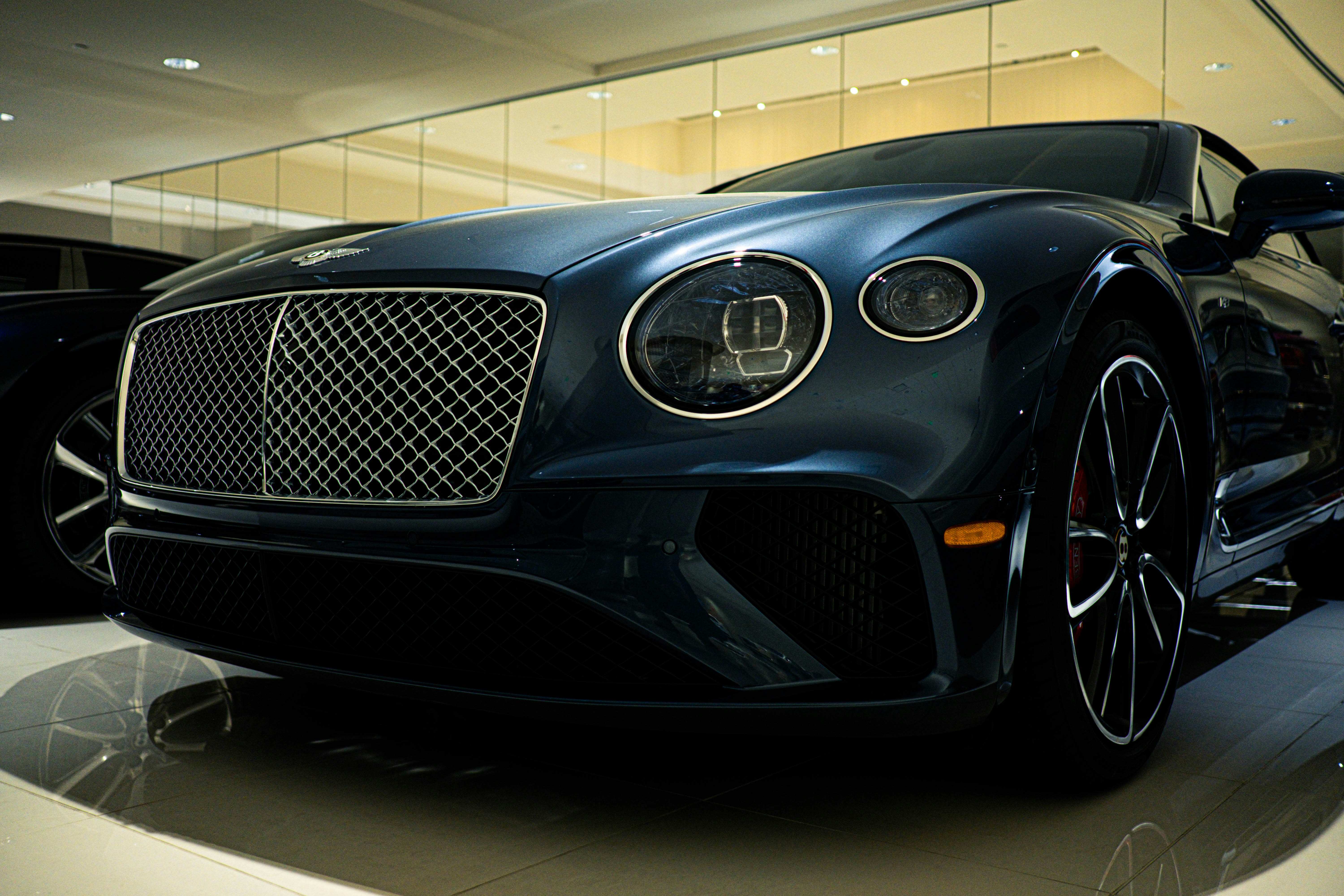
Another titan in the luxury domain is Bentley, famed for its blend of performance and sophistication. The distinctive design features, such as the matrix grille and round headlights, contribute to Bentley’s iconic status. Its flagship model, the Bentley Continental GT, exemplifies high-performance motoring while enveloped in sumptuous luxury. Bentley offers an extensive range of bespoke customization that enables buyers to create a vehicle that reflects their style, making each car an individual masterpiece.
On the sports car front, Ferrari and Lamborghini are synonymous with performance and cutting-edge technology. Ferrari, with its rich motorsport heritage, is renowned for its powerful engines, sleek designs, and innovative aerodynamics. The Ferrari 488 GTB serves as a prime example, boasting remarkable speed and precise handling that appeals to driving enthusiasts. In contrast, Lamborghini represents a bold approach to design and engineering, characterized by aggressive lines and a roaring V10 or V12 engine. The Lamborghini Aventador demonstrates the brand’s commitment to exhilarating performance while captivating onlookers with its striking visual appeal.
Engine Power and Performance of Luxury Cars
The field of luxury automobiles is deeply intertwined with power, precision, and performance, producing vehicles that are not only a testament to engineering prowess but also to cutting-edge technology. Luxury car brands continually strive to enhance engine specifications, power output, and overall performance capabilities, ensuring that driving one of their vehicles is more than just a means of transportation; it becomes an exhilarating experience.
When examining the engine specifications, we find that many luxury cars are equipped with powerful V8 and V12 engines or even hybrid powertrains that deliver impressive horsepower. Brands like Ferrari, Lamborghini, and Bugatti are renowned for their high-revving engines that push the limits of conventional automotive engineering. For instance, Bugatti’s Chiron features an 8.0-liter quad-turbocharged W16 engine that generates a staggering 1,479 horsepower, showcasing how performance-oriented these luxury vehicles can be.
Moreover, innovations in performance technology, such as adaptive suspension, all-wheel drive, and advanced aerodynamics, significantly enhance the driving experience. Luxury cars often incorporate features like dynamically adjustable shock absorbers that can adapt to road conditions in real-time, thus ensuring optimal handling and ride quality. Brands such as Porsche have excelled in this area, integrating sophisticated traction and stability systems that contribute immensely to the vehicle’s prowess on the road and track.
The combination of robust power outputs and advanced mechanical enhancements fosters not only impressive speed but also exceptional driving dynamics and comfort, reinforcing the prestige associated with luxury brands. Every acceleration, every corner taken, and even the gentle purring of the engine encapsulates a world where engineering excellence meets the thrill of driving, underscoring the allure of these opulent vehicles across the globe.
The Price Tag: Understanding Luxury Costs
The automotive industry has long been synonymous with luxury, and the price tags that adorn high-end vehicles are reflective of several key factors that define opulence. One of the primary reasons luxury cars command substantial price points is their use of high-quality materials. From premium leathers to exotic woods and metals, the intrinsic value of these components significantly elevates the manufacturing costs. Furthermore, meticulous craftsmanship is involved in the assembly process, ensuring that each vehicle meets the exacting standards expected by discerning buyers.
Advanced technology also plays a pivotal role in contributing to the costs associated with luxury automobiles. Unlike mass-market vehicles, luxury brands often incorporate cutting-edge features such as state-of-the-art infotainment systems, sophisticated driver-assistance technologies, and high-performance engineering. The research and development investments made by these brands are considerable; automakers are continually innovating, aiming to offer unique functionalities that not only enhance performance but also drive prestige.
Moreover, bespoke features are a hallmark of luxury cars, allowing owners to customize their vehicles to an extraordinary degree. This level of personalization often involves additional costs, as each requested feature requires specialized attention and exceptional skill in execution. Additionally, many luxury cars are produced in limited runs, which further drives up exclusivity and price. This targeted production strategy creates a demand that far exceeds supply, allowing manufacturers to maintain higher price points.
Finally, brand positioning contributes significantly to the perceived value of luxury vehicles. Established prestige fosters a sense of exclusivity that is hard to replicate. A brand that emphasizes luxury, performance, and heritage often justifies its exorbitant prices through the sheer allure of its name. Collectively, these factors encapsulate why luxury cars are not just methods of transportation, but symbols of status and sophistication.