
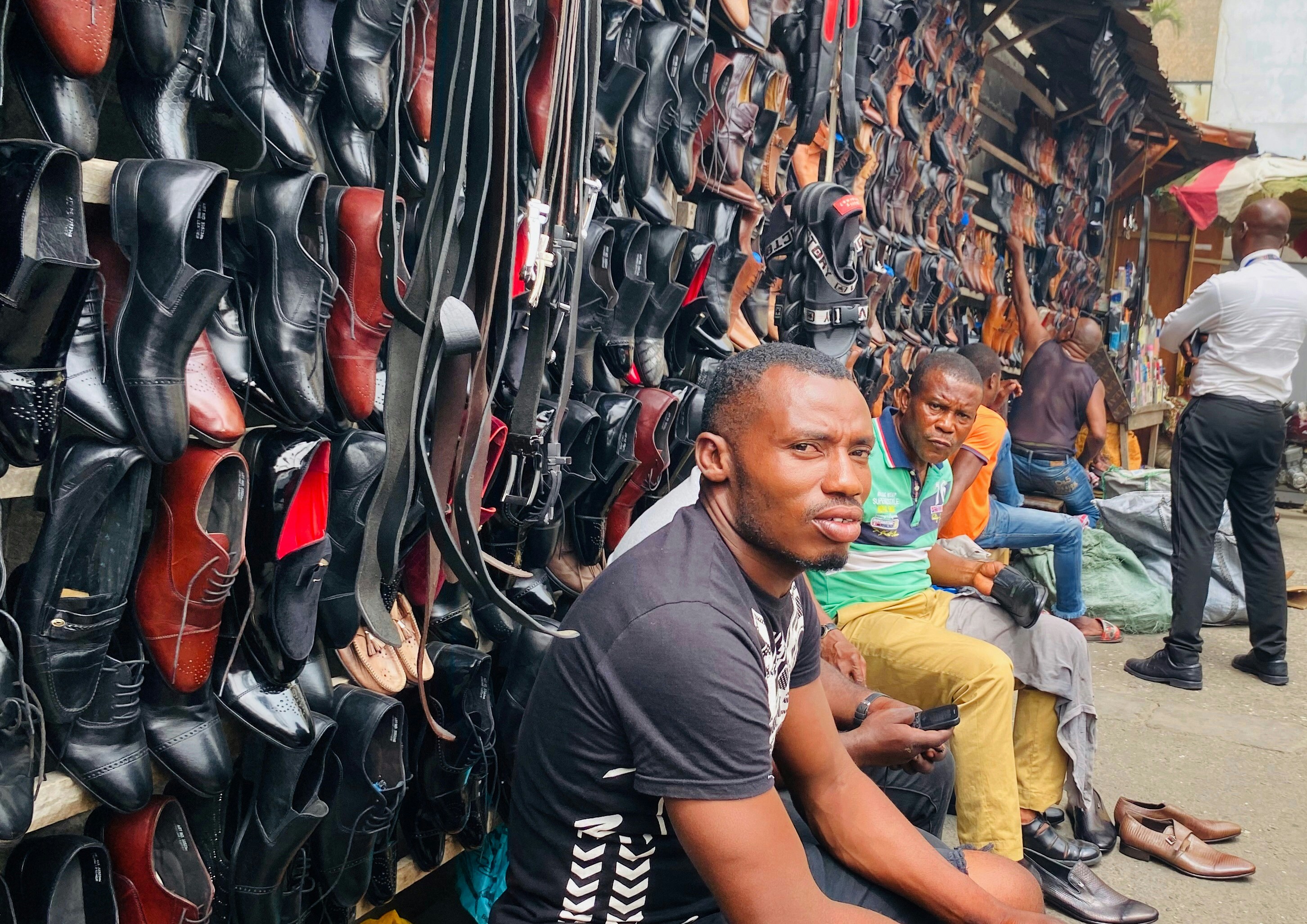
Types of Men’s Footwear Around the World
Men’s footwear is not only a functional item but also a significant cultural element that reflects identity, status, and aesthetic appeal across various societies. This diversity is evident in the multitude of styles that exist globally, each with unique characteristics, materials, and craftsmanship. For instance, dress shoes are often crafted from high-quality leather, showcasing a polished appearance that is essential for formal occasions in Western cultures. The art of making these shoes involves meticulous attention to detail, with many brands emphasizing traditional techniques.
Loafers, another popular style, exemplify convenience combined with elegance. These slip-on shoes are appreciated for their flexibility and comfort, making them suitable for both casual and semi-formal settings. Similarly, boots are a versatile category that varies in design from rugged outdoor styles to sleek fashion-forward variations, often made from leather or synthetic materials.
Across different cultures, traditional footwear reflects local customs and heritage. In Japan, the geta represents a blend of functionality and artistry, typically crafted from wood and featuring elevated platforms that elevate the wearer. Meanwhile, the jutti of India is notable for its intricate embroidery and soft leather, embodying both comfort and cultural significance, often associated with traditional attire.
In Europe, the brogue stands out with its distinctive perforated design, originating from Scotland and Ireland, and is a popular choice for both smart-casual and formal events. The craftsmanship involved in making these brogues is significant, with many artisans dedicating years to perfecting their skills.
From loafers to traditional footwear like the geta, each style not only serves a practical purpose but also tells a story about cultural identity, craftsmanship, and the role of footwear in men’s fashion worldwide.
Trendy Footwear Tips: How to Pair with Your Wardrobe
Selecting the right men’s footwear involves a keen understanding of both style trends and personal aesthetics. To successfully navigate the vast array of options available, it is vital to consider the occasion, outfit type, and current fashion trends. Footwear not only serves a functional purpose but also enhances the overall impression of an outfit.
For formal occasions, classic options like oxfords or brogues in leather are recommended. These shoes can be paired with tailored suits or dress trousers, ensuring a polished and sophisticated look. A pair of black leather oxfords is a must-have in any man’s wardrobe as their versatility allows them to complement various outfit styles seamlessly.
Casual settings provide a greater opportunity for expression. Sneakers or loafers are trendy choices that pair well with denim jeans or chinos. Opting for low-top sneakers can provide a more casual aesthetic, while high-top versions may add a street-style flair. It’s also beneficial to choose footwear that includes colors or materials that echo other elements in your outfit, such as a belt or bag.
Accessorizing is equally important when it comes to footwear. Choosing socks that either contrast or complement shoe color can elevate an outfit significantly. Moreover, seasonal trends should be considered; for instance, during cooler months, investing in stylish boots can not only offer practicality but also align with current trends. Chelsea boots, desert boots, or chukka boots often make a strong statement while serving as essential footwear options in colder conditions.
Finally, stay informed about trending styles as they can vary greatly by season. Whether it’s adopting new patterns, colors, or materials, every modern man can find a pair of shoes to suit his personality and lifestyle. Updates to footwear can easily refresh a wardrobe, keeping it stylish and relevant.
The Luxury Footwear Market: Top Brands and Price Ranges
The luxury footwear market stands as one of the most prestigious segments within the fashion industry, with a focus on exclusivity, craftsmanship, and brand reputation. Notable brands such as Gucci, Louis Vuitton, Balenciaga, and Prada are renowned for their innovative designs and high-quality materials, often elevating their products to iconic status. The allure of these luxury brands stems not only from their aesthetics but also from their craftsmanship, which can involve hand-stitching, premium leathers, and unique manufacturing processes. As a result, prices within this market can span from several hundred to tens of thousands of dollars.
The most expensive shoes in the world often come from high-fashion designers and are frequently defined not only by their materials but also by their rarity and exclusivity. For instance, custom creations or limited-edition collaborations often fetch astronomical prices at auctions or from specialized retailers. Iconic examples include the famous “Solid Gold Oxfords” by the artist and designer, Antonio Vietri, which cost 3.2 million dollars, showcasing the intersection of art and luxury footwear.
Understanding the luxury footwear market also requires an examination of the market capitalization trends that can influence pricing structures. Elements such as economic stability, demand fluctuations, and consumer spending patterns play significant roles in this industry. Brands that maintain a strong allure through limited production runs and high-quality offerings often see sustained demand, while emerging economic factors can shift consumer preferences and influence price adjustments. Additionally, with the global rise of the e-commerce phenomenon, luxury brands have adapted by making exclusive offerings accessible online, further shaping market dynamics.
Opportunities for Handmade and New Footwear Brands
The footwear industry is witnessing a significant shift towards handmade and independent brands, propelled by rising consumer interest in ethical practices, individual craftsmanship, and sustainability. As consumers increasingly seek unique products that resonate with their values, there is an opportunity for new companies to carve out a niche in this competitive landscape.
Handmade shoes, such as bespoke options, have emerged as a preferred choice for many consumers who appreciate quality and personalization. The bespoke shoe market not only offers tailored fit and design but also reflects the artistry and skill of the shoemaker. This artisanal approach has garnered a loyal clientele willing to invest in footwear that lasts, rather than fast fashion trends that quickly fade.
Moreover, the environmental impact of mass production has led to a conscious shift among consumers towards sustainable practices. Independent footwear brands often adopt eco-friendly materials and processes, appealing to an audience increasingly aware of their buying choices. By integrating sustainability into their mission, new entrants can attract discerning customers looking for brands that align with their values.
Despite the promising opportunities, new footwear brands may face considerable challenges in attracting attention and building a customer base against established players. The market is saturated with options, making differentiation crucial. Strategies such as leveraging social media for branding, engaging storytelling, and participatory marketing campaigns enable these brands to connect with potential customers on a larger scale.
Furthermore, collaborating with influencers and utilizing online platforms can enhance visibility and provide feedback loops for continuous improvement and innovation. In essence, for handmade and new footwear brands to thrive, they must blend authenticity with strategic marketing, ensuring they resonate with today’s conscientious consumers. The potential for growth is vast, offering many opportunities for those willing to embrace quality, sustainability, and individuality.