
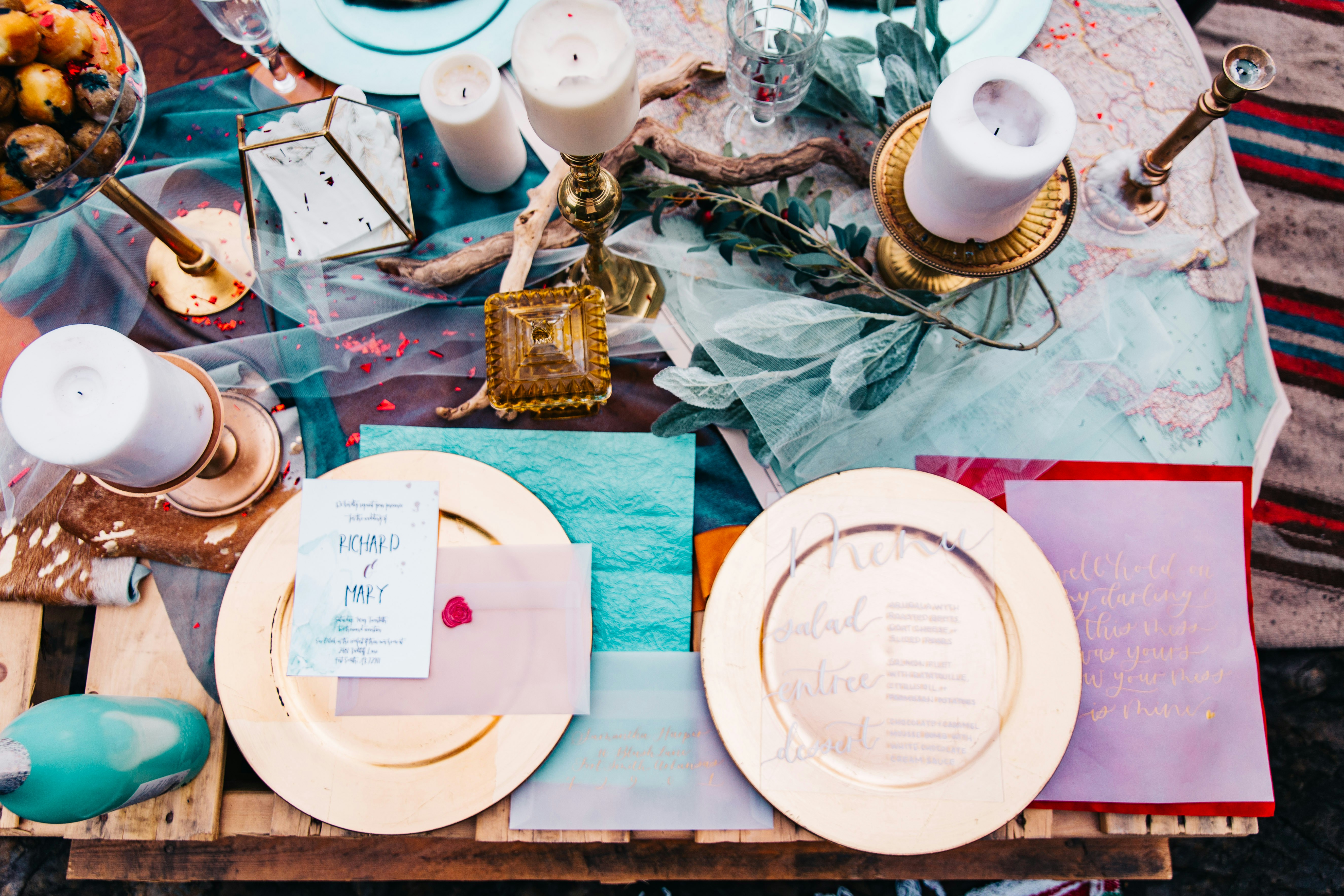
Introduction to Decor Items
Decor items play a pivotal role in home styling, serving not only as embellishments but also as means to express personal identity and taste. These items encompass a wide range of objects, from furniture pieces, vases, and artwork, to textiles and lighting fixtures. Each of these decor elements contributes to the overall atmosphere of a space, making it not only attractive but also functionally aligned with the needs of its inhabitants.
The significance of decor items lies in their ability to transform ordinary living spaces into personalized sanctuaries. By thoughtfully selecting decor, homeowners can reflect their style, preferences, and values. For instance, a collection of handmade pottery may signify a love for artisanal crafts, while a selection of modern art pieces may convey a preference for contemporary aesthetics. However, the impact of these items goes beyond mere aesthetics; they also serve to enhance the comfort and functionality of a room. It’s essential to consider the balance between style and purpose, ensuring that each item complements the overall theme of the space.
Furthermore, when curating decor items, one must also be mindful of the scale and proportion of each piece. Oversized furniture in a small room can create an overwhelming effect, while too-small items may get lost in larger spaces. Additionally, color harmonization and texture variety should be considered to create a cohesive look that feels both welcoming and sophisticated. Ultimately, whether one favors a minimalist, eclectic, or traditional style, the careful selection and arrangement of decor items are crucial in presenting a unified and inviting atmosphere.
Types of Decor Items and Their Uses
In the realm of interior design, decor items play a pivotal role in establishing the aesthetic and functionality of a space. They can be broadly categorized into several types, including furniture, textiles, wall art, decorative accessories, and lighting fixtures, each serving unique purposes.
Furniture serves as the foundational element of any room, offering both function and form. Sofas, chairs, and tables not only provide essential seating and surface areas but also contribute to the room’s overall style. For instance, mid-century modern furniture often complements minimalist interiors, while ornate pieces enhance more traditional settings. When selecting furniture, it’s crucial to consider both scale and arrangement to optimize space and ensure a cohesive look.
Textiles, encompassing rugs, curtains, and cushions, add warmth and texture. They enhance comfort and can be used to inject color or pattern into a space. For example, a boldly patterned rug can serve as a focal point in a neutral room, while sheer curtains can maximize natural light, making a smaller area appear larger. The thoughtful layering of textiles can transform the atmosphere of a room remarkably.
Wall art is another essential decor item, enabling personal expression and visual intrigue. Paintings, photography, or even framed textiles can enhance the character of a space. When curating art, it is advantageous to consider the size and placement on walls; grouping smaller pieces can create an engaging gallery wall, while larger statements can draw attention to specific areas.
Decorative accessories, such as vases, sculptures, and books, provide finishing touches that personalize the room. These items can be strategically positioned on shelves or tables to create visual balance and interest. Finally, lighting fixtures are crucial not only for functional illumination but also for setting the mood. Chandeliers, floor lamps, and pendant lights should harmonize with the room’s decor and style, ensuring both functionality and elegance in the space.
Decor Etiquette: Best Practices for Arrangement and Styling
When it comes to styling and arranging decor items, understanding decor etiquette can greatly enhance the overall aesthetic of a space while ensuring functionality. One of the key principles is to strike a balance between aesthetics and practicality. For instance, while an artfully arranged display of decor can be visually stunning, it should also not obstruct pathways or deter from the primary uses of the space.
Color harmony is another crucial factor to consider. Ensuring that decor items complement rather than clash with the existing color scheme will create a cohesive atmosphere. It is advisable to use a color wheel for guidance or opt for a mix of complementary and analogous colors to maintain visual interest without overwhelming the viewer.
Proportion and scale play a significant role in the successful arrangement of decor items. Tall decorative objects should be balanced with lower elements to create a sense of equilibrium. In groups, adhere to the rule of three, which often proves to be more visually pleasing than even-numbered collections. To keep a space feeling open and inviting, avoid overcrowding shelves or tables with too many items.
Personalization is important in home decor but should be approached thoughtfully. While incorporating personal items such as family photos and travel souvenirs adds character, these should be integrated subtly to respect decor etiquette. A cluttered display can divert attention from curated pieces that truly matter.
Common mistakes include ignoring the scale of the space or color harmony, overwhelming surfaces with an excess of items, or not considering the room’s function. By keeping these best practices in mind, individuals can create stylish yet functional spaces that reflect their personal style without falling into design pitfalls.
Frequently Asked Questions about Home Decor
Home decor is an essential aspect of personal expression and comfort within living spaces. However, many individuals have questions regarding how to effectively choose, style, and maintain various decor items. Here, we address some of the most frequently asked questions about home decor, offering valuable insights.
How do I choose the right decor items for my personal style?
When selecting decor items, it is crucial to reflect on your personal style and the atmosphere you wish to create. Begin by identifying your preferred color palette and design preferences—be it modern, rustic, or eclectic. Consider visiting home decor stores and browsing online to gather inspiration. Create a mood board that combines colors, textures, and styles that appeal to you, keeping in mind the existing elements in your home.
What are some tips for mixing different decor styles?
Mixing various decor styles can create a unique and harmonious living space. A successful approach is to identify at least one common element that ties your chosen styles together, such as color themes or materials. Utilize balance in your decor by alternating between bold and subtle elements, allowing each piece to contribute to the overall aesthetic without overwhelming the eye.
How often should I change seasonal decor items?
Seasonal decor changes can help refresh your space throughout the year. Typically, individuals opt to adjust their decor with each new season, ensuring a timely transition. For example, integrating warm colors and rustic elements for fall or airy designs with pastels for spring can create an inviting atmosphere. However, it is essential to balance seasonal updates with your core decor to maintain cohesion.
What is the best way to care for my decor items?
Caring for your decor items varies depending on the material. Dusting regularly, using appropriate cleaning agents, and avoiding direct sunlight on sensitive decorations are essential practices. Additionally, understanding the requirements of plants or decorative fabrics can significantly enhance their lifespan, ensuring your decor remains pristine and vibrant.