
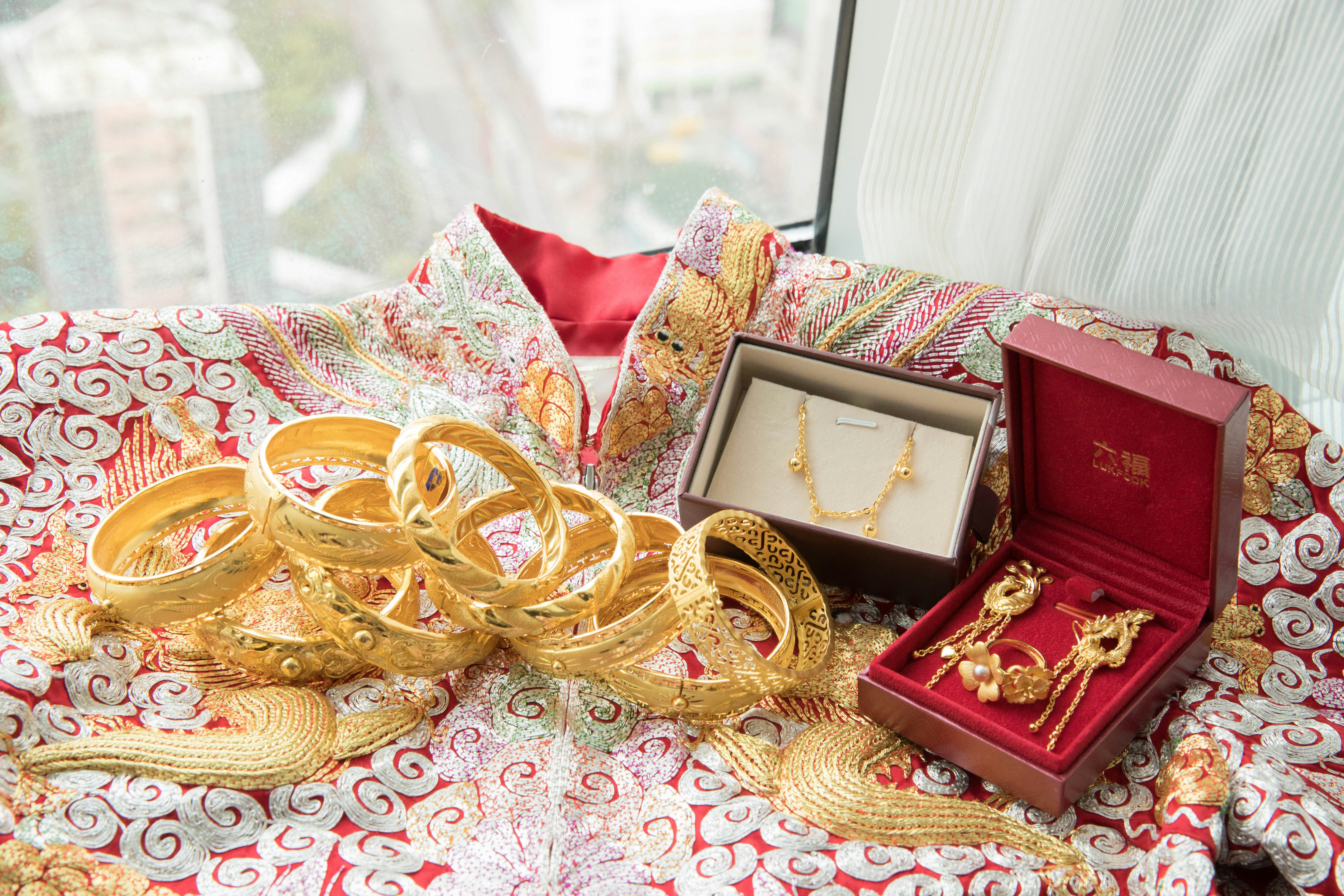
Understanding Different Types of Women’s Jewelry
Women’s jewelry encompasses a vast range of adornments that express personal style, cultural significance, and sentiments. Each type of jewelry serves a unique purpose and carries distinct characteristics. This section delves into key types of women’s jewelry, examining their inherent features, materials, and popular styles.
One prominent category is necklaces, which can vary significantly in design, length, and materials. From delicate chains embellished with pendants to statement pieces made of bold gemstones, necklaces are versatile enough to complement both casual and formal attire. Materials often include precious metals such as gold and silver, along with valuable stones and beads that enhance their aesthetic appeal.
Earrings are another essential type of women’s jewelry, available in forms ranging from studs and hoops to elaborate chandelier designs. They can be crafted from various materials including metals, pearls, and gemstones. Earrings are designed not just to accessorize but also to frame the face and highlight features, creating an essential focal point in women’s fashion.
Bracelets, often seen as symbols of femininity, can be simple bangles or intricate charm bracelets. These adornments allow for personal expression, particularly when they incorporate meaningful charms or stones. They are usually made of metal, leather, or fabric, enabling wearers to mix and match depending on their outfits.
When discussing rings, it is important to note that they often represent deep meanings, such as commitment or love, with engagement and wedding rings being the most significant. However, fashion rings, which are often ornate and designed for aesthetic purposes, are popular as well. They come in a variety of styles and materials, allowing for playful combinations and personal statements.
Lastly, brooches have made a comeback in recent years, serving as both functional and decorative pieces. Traditionally used to fasten clothing, they are now often worn as fashion statements, showcasing unique designs and craftsmanship. Brooches are typically crafted from metals with embellishments of stones or enamel, adding an artistic touch to any ensemble.
Who Should Own Different Types of Jewelry?
The ownership of jewelry transcends mere ornamentation; it often reflects personal identity, cultural background, and social status. Women from various demographics significantly contribute to the jewelry market, with age, lifestyle choices, and cultural influences playing vital roles in determining their preferences.
Age groups serve as a primary indicator for the types of jewelry women may own. For instance, younger women, particularly those in their teens and early twenties, tend to favor trend-oriented pieces like fashion jewelry, which can be both affordable and expressive of current styles. These pieces often include colorful earrings, playful necklaces, and stackable bracelets that allow for personalization and creativity. Conversely, women in their thirties and forties often gravitate toward more timeless and sophisticated items like gold or silver necklaces, elegant rings, and classic watches that can enhance both casual and formal attire.
Lifestyle choices also contribute to the diversity of jewelry ownership. Professional women in corporate environments may prefer understated and elegant accessories that convey professionalism, such as pearl earrings or simple gold chains. On the other hand, women engaged in creative fields might opt for unique, handmade pieces that showcase individuality and artistic expression. Additionally, women who lead active lives are more likely to choose durable and functional jewelry, like sport watches or minimalist designs that can withstand daily wear.
Cultural influences further enrich the landscape of jewelry ownership among women. For example, women from certain cultures may own specific traditional pieces passed down through generations, serving as a symbol of heritage and identity. Such items may include elaborate necklaces, intricate bracelets, or beaded headpieces used in ceremonial contexts. Furthermore, the rising trend of inclusivity in jewelry design has made it more accessible, encouraging women from all backgrounds to explore and express their personal styles through various types of jewelry.
In conclusion, understanding the diverse demographics of women who wear jewelry highlights the significance of personal taste and cultural context in jewelry ownership. By recognizing individual preferences influenced by age, lifestyle, and culture, recommendations for specific jewelry types can be tailored to various occasions, enhancing the overall jewelry shopping experience.
Benefits of Owning Jewelry for Women
Owning jewelry possesses numerous advantages for women, complementing both their personal style and emotional well-being. Jewelry serves as a powerful tool for self-expression, allowing individuals to select pieces that resonate with their personality and fashion sense. From statement necklaces to delicate bracelets, each item offers a unique way to enhance one’s appearance, transforming even the simplest outfit into something extraordinary.
Moreover, jewelry often acts as a confidence booster. The right accessory can elevate an individual’s mood, reinforcing a sense of empowerment. Many women report feeling more poised and attractive when adorned with jewelry, highlighting its role in improving self-esteem. This psychological impact underscores the importance of personal adornment in everyday life, reinforcing the belief that style is not merely superficial but a form of self-affirmation.
Jewelry also serves as a means of conveying identity and social status. Certain pieces may signify cultural or familial affiliations, while others indicate milestone achievements. For instance, engagement rings and family heirlooms speak volumes about personal narratives and heritage, creating an emotional connection that transcends mere aesthetics. The act of gifting or inheriting jewelry further amplifies its sentimental value, making it a cherished part of personal history.
In addition to aesthetic and emotional significance, jewelry can also be a symbol of personal milestones. It marks special occasions such as birthdays, anniversaries, or graduations, thereby capturing memories that hold immense personal value. Women may choose to accumulate a collection over the years, each piece representing a distinct chapter in their lives.
Thus, the benefits of owning jewelry extend far beyond visual appeal. It encapsulates self-expression, serves as a confidence enhancer, signifies personal and familial stories, and carries emotional resonance across generations.
Jewelry as a Status Symbol
Throughout history, jewelry has often held significant meaning beyond its aesthetic appeal, serving as a potent status symbol. The value and artistry associated with particular pieces can convey wealth, social standing, and power. In many cultures, the ownership of luxurious and meticulously crafted jewelry reflects an individual’s affluence and prestige.
Historically, royal families and nobility have been the primary keepers of extravagant collections. For instance, pieces adorned with gemstones and precious metals were exclusive to the elite, designed to showcase their position within society. The famous Hope Diamond, for example, has a storied past, linked to royalty and the affluent, demonstrating how particular jewels can become synonymous with status through their origins.
Moreover, in modern contexts, many luxury brands capitalize on jewelry’s symbolism. Wearing designer labels is often perceived as an outward sign of wealth, appealing not only to the wealthy clientele but also to those aspiring for social ascension. The psychological aspect of luxury items cannot be overlooked; jewelry can enhance an individual’s self-perception, creating confidence derived from ownership of high-status items. This phenomenon is evident in the way individuals flaunt their jewelry at social gatherings, subtly communicating their economic and social positions.
In conclusion, the role of jewelry as a status symbol transcends mere adornment. From historical examples of opulent pieces owned by the elite to contemporary interpretations driven by brand recognition, jewelry continues to act as a powerful indicator of wealth and social significance. Understanding its role in society offers insight into broader cultural values and individual identities.
Factors Influencing the Cost of Jewelry
The cost of jewelry is influenced by a myriad of factors, each contributing to the overall value and pricing of these adornments. Among the primary determinants is the quality of materials used in the jewelry’s creation. Precious metals like gold and platinum, along with gemstones such as diamonds, sapphires, and rubies, often dictate higher price points. The clarity, cut, and carat weight of gemstones significantly affect their market value, making these characteristics crucial for discerning consumers and collectors.
Craftsmanship is another essential factor in the pricing of jewelry. Fine jewelry typically involves intricate designs that require exceptional skill and artistry from experienced artisans. The more labor-intensive the process, the more expensive the final product tends to be. Handmade pieces often come with a premium due to the dedication and time involved in their creation, distinguishing them from mass-produced jewelry which may rely on lower-cost manufacturing processes.
Brand recognition also plays a vital role in determining jewelry prices. Renowned brands and designers can command higher prices due to their established reputation and perceived exclusivity. Consumers often associate well-known brands with quality and prestige, making them willing to pay a premium. This phenomenon is especially prominent in the luxury jewelry sector, where the brand’s image significantly enhances the product’s desirability.
Market demand is another critical element affecting jewelry pricing. Fluctuations in trends can lead to increased demand for certain styles or materials, influencing prices accordingly. For example, when particular gemstones or designs become popular, their prices may rise due to a surge in consumer interest. Conversely, more affordable jewelry options often cater to a wider audience, making them accessible while still offering aesthetic appeal. Understanding these factors helps consumers make informed decisions when purchasing jewelry, ensuring they find pieces that reflect both their style and budget.
Understanding Fine Jewelry vs. Costume Jewelry
When exploring the diverse types of women’s jewelry, it is essential to differentiate between fine jewelry and costume jewelry, as each serves distinct purposes and features different qualities. Fine jewelry typically includes pieces made from precious metals such as gold, silver, and platinum, and often incorporates gemstones like diamonds, rubies, and sapphires. The materials used in fine jewelry are of high quality, which contributes to their durability and longevity. This type of jewelry is often crafted by skilled artisans, leading to exquisite designs that showcase meticulous attention to detail and craftsmanship.
In contrast, costume jewelry, also known as fashion jewelry, is generally made from less expensive materials, such as base metals, plastics, or synthetic stones. The affordability of costume jewelry makes it accessible to a broader audience, allowing individuals to express their style without a significant financial investment. While costume jewelry can still be beautifully designed, it often lacks the same level of craftsmanship that characterizes fine jewelry.
The occasions for wearing these two types of jewelry can also differ greatly. Fine jewelry is often reserved for special events, such as weddings, anniversary celebrations, and formal gatherings, where it serves to signify important milestones and enhance the elegance of an outfit. On the other hand, costume jewelry is frequently worn on a daily basis, offering versatility and the opportunity for individuals to change their looks more often without the concern of losing costly items.
The price disparity between fine jewelry and costume jewelry can be attributed to several factors. The inclusion of high-quality materials and the labor-intensive processes involved in crafting fine pieces often result in a higher price tag. Additionally, fine jewelry may appreciate in value over time, making it not only a style choice but also an investment. Therefore, understanding the differences between these two categories of jewelry is critical for making informed purchasing decisions that align with personal style and budget considerations.
Popular Trends in Women’s Jewelry
Women’s jewelry continues to evolve, reflecting cultural shifts and personal expressions. Currently, several trends are dominating the market, showcasing a blend of modern aesthetics with traditional craftsmanship. One significant movement is the rise of sustainable jewelry. Brands are increasingly focusing on environmentally friendly materials, such as recycled metals and ethically sourced gemstones. This shift not only aligns with the values of conscious consumers but also sets a new standard in the industry.
Contemporary designs are becoming incredibly popular, with a noticeable preference for minimalist aesthetics. Simple yet elegant pieces, often featuring geometric shapes or delicate chains, resonate well with those seeking sophistication without overwhelming their attire. This trend is complemented by the resurgence of layering techniques, where individuals mix and match various necklaces and bracelets to create a personalized style. Layering allows for a versatile and dynamic look, catering to a broad audience.
Colorful gemstones are also making a striking comeback. While classic diamonds and pearls hold their appeal, vibrant stones like sapphires, emeralds, and even unconventional options such as opals are gaining traction. This diversification in choice enables wearers to express their personalities more vividly. Additionally, statement earrings have emerged as a significant trend, with oversized designs and bold styles dominating the scene. These pieces serve as focal points, allowing individuals to make a striking impression.
Emerging brands are at the forefront of these changes, pushing boundaries with unique designs and innovative manufacturing processes. Many smaller labels prioritize artisanal techniques and unique storytelling, distinguishing themselves from mass-produced items. This approach not only appeals to fashion-forward consumers but also enriches the narrative surrounding women’s jewelry.
In conclusion, the landscape of women’s jewelry is marked by innovation, sustainability, and personalization, reflecting the diverse preferences of modern women. The trends currently shaping this industry not only highlight aesthetic values but also underscore the significance of ethical practices in jewelry creation.
Care and Maintenance of Women’s Jewelry
Proper care and maintenance of women’s jewelry is essential for preserving its beauty and longevity. Different types of jewelry require specific attention to safeguard against tarnishing, scratching, and breakage.
To clean your jewelry, it is important to use suitable methods that correspond to the materials. For instance, gold and silver pieces can be cleaned using a mild soap solution and a soft toothbrush. This gentle approach will help remove dirt without damaging the surface. For gemstones, avoid harsh chemicals that could affect their appearance. Instead, opt for a damp cloth for light cleaning, and take care to ensure that settings are secure.
Storage is another vital aspect of jewelry care. When not in use, it is best to store jewelry in a cool, dry place, ideally in a fabric-lined box or a dedicated jewelry organizer that helps prevent scratching. For necklaces, consider using a separate compartment to avoid tangles. For rings and earrings, individual slots can help maintain their shape and avoid any potential damage.
If damage occurs and repairs become necessary, handling the situation promptly can extend the life of your jewelry. It is advisable to consult a professional jeweler for intricate repairs, particularly for items with delicate designs or valuable materials. Regular inspections can help preemptively address issues such as loose stones or weak clasps, ensuring that your cherished pieces remain in excellent condition for years to come.
By incorporating these care strategies into your routine, you can enjoy the elegance and charm of your jewelry, understanding its significance while maximizing its lifespan. Jewelry is not just an accessory; it often holds sentimental value and memories, making its upkeep all the more important.
Conclusion: The Timeless Value of Jewelry
Throughout history, jewelry has held a profound place in women’s lives, transcending mere decoration to embody deep personal and cultural significance. The appeal of jewelry is not simply attributed to its aesthetic qualities but also to the stories and emotions it represents. From heirlooms passed down through generations to contemporary pieces that mark personal milestones, jewelry serves as a testament to individual identity and heritage.
Jewelry can reflect one’s personality, beliefs, and life experiences. For many women, wearing jewelry is an empowering act that enhances their sense of self-expression. The choices made in selecting pieces—from rings and necklaces to bracelets and earrings—often parallel significant moments, such as engagements, weddings, or personal achievements. Furthermore, jewelry can serve as a means to connect with culture and tradition, showcasing artistry that highlights the skills and craftsmanship of artisans across the globe.
Moreover, the significance of jewelry extends beyond personal adornment; it represents an investment in art and culture. As trends change and time passes, certain pieces of jewelry can appreciate in value, making them not only beautiful but also financially astute choices. The blend of emotional resonance and material worth contributes to jewelry’s enduring appeal among women. In essence, jewelry remains an invaluable element in women’s lives, signifying beauty, empowerment, and cultural identity.
In conclusion, the timeless value of jewelry lies in its multifaceted nature. It captivates as an accessory while offering deeper connections to personal and cultural narratives. This dual role solidifies jewelry’s place as more than just an ornament; it is indeed an enduring investment in both style and sentiment.