
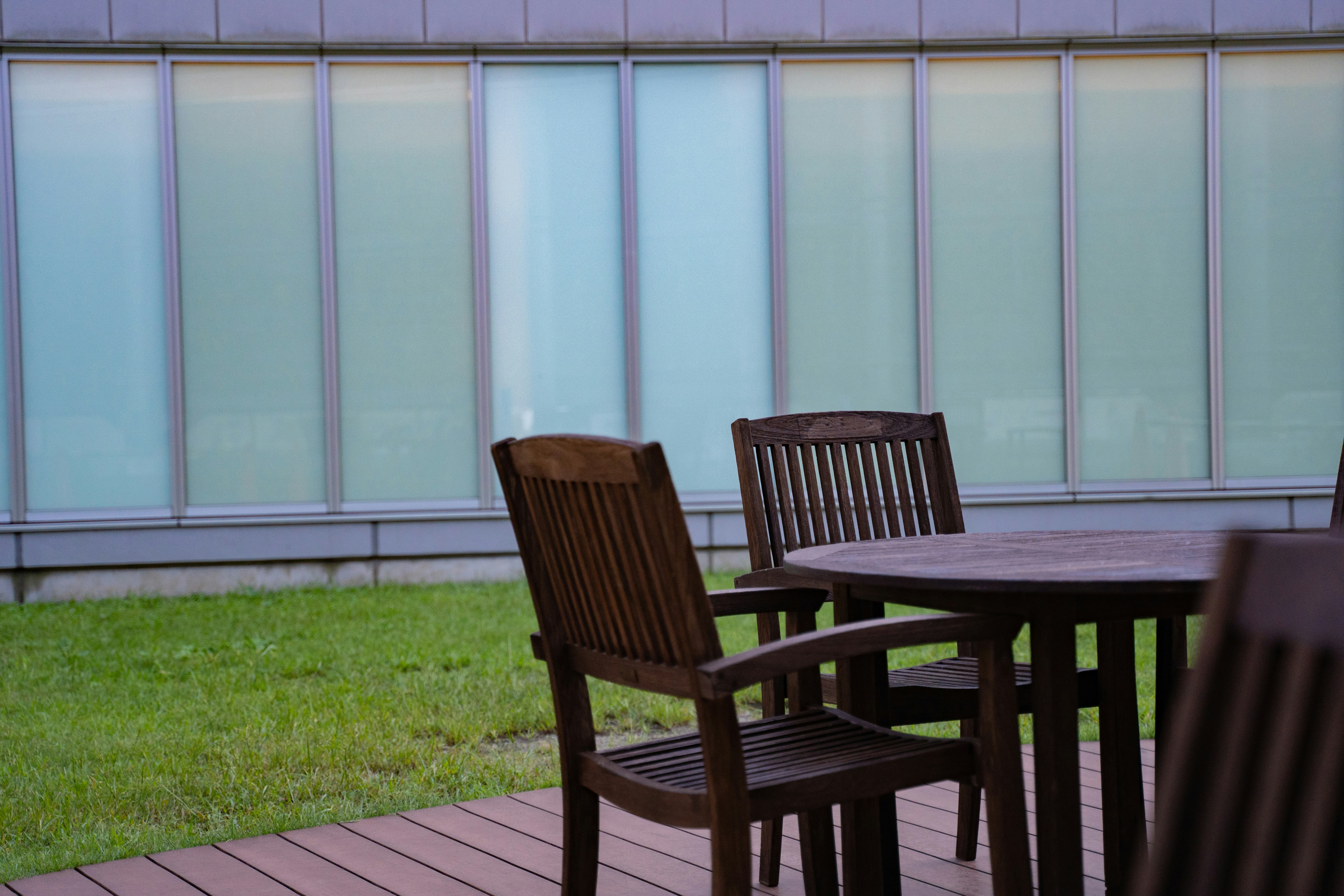
Understanding Outdoor Furniture
Outdoor furniture plays a vital role in enhancing the aesthetic and functional appeal of outdoor spaces, allowing individuals to create inviting environments for relaxation and entertainment. Traditionally, outdoor furniture encompasses a wide array of items designed specifically for outdoor use, including chairs, tables, loungers, and even hammocks. These pieces are crafted to withstand the elements while providing comfort and style.
The materials used in the production of outdoor furniture are particularly significant. Teak, for instance, is renowned for its durability and resistance to moisture, making it a preferred choice for high-end outdoor furniture. This hardwood can endure the harshest weather conditions without warping or rotting, ensuring longevity. Aluminum is another popular material due to its lightweight yet sturdy nature, making it easy to rearrange furniture as needed. Additionally, aluminum is often treated with weather-resistant coatings, enhancing its appeal for outdoor settings.
Wicker, often made from synthetic resin, adds an elegant touch to outdoor décor. It combines comfort with a traditional aesthetic, making it a favorite for patios and garden spaces. However, it is essential to differentiate between natural and synthetic wicker. The latter is more resistant to fading and damage from moisture, making it better suited for outdoor conditions. Lastly, plastic outdoor furniture, while often perceived as less luxurious, provides an affordable and versatile option that is easy to maintain and available in various styles and colors.
In summary, outdoor furniture is an essential component of outdoor living spaces. Each material offers unique benefits, contributing to the functionality and appearance of gardens, terraces, and patios. Understanding these elements is crucial for selecting the right pieces that not only complement the outdoor environment but also withstand the test of time.
The Global Market Landscape for Outdoor Furniture
The outdoor furniture market has experienced significant transformations in recent years, propelled by various trends and changes in consumer behavior. As more individuals seek to maximize their living spaces, the preference for outdoor living has surged, fostering greater demand for quality outdoor furniture. According to market research, the global outdoor furniture market was valued at approximately $20 billion in 2022, with an expected compound annual growth rate (CAGR) of around 5% from 2023 to 2030.
Several factors contribute to this growth, with consumer preferences leading the way. Homeowners are increasingly investing in outdoor spaces, turning patios, gardens, and balconies into extensions of their living areas. This cultural shift emphasizes relaxation and entertainment, prompting demand for a variety of products, including lounge chairs, dining sets, and fire pits.
The trend towards sustainability has also gained momentum in the outdoor furniture market. Manufacturers are increasingly focusing on sustainable materials and eco-friendly production processes to cater to environmentally conscious consumers. For instance, outdoor furniture made from recycled plastics, responsibly sourced wood, and other sustainable materials has seen a notable rise in popularity. This focus aligns with a broader industry shift towards sustainability, reflecting changing consumer preferences and a growing awareness of environmental impact.
The COVID-19 pandemic further accelerated these trends, as lockdown measures led many to invest in improving their outdoor spaces for social gatherings and relaxation. The focus on home comfort and the desire to enjoy nature safely have resulted in a surge in sales for outdoor furniture. This development has been especially prominent in North America and Europe, where outdoor living spaces play a pivotal role in lifestyle choices.
In summary, the outdoor furniture market is evolving, driven by enhanced consumer preferences for outdoor living and sustainability trends, along with accelerated growth resulting from the pandemic. The increasing market cap of outdoor furniture not only highlights its significance within the broader home and garden industry but also underscores the ongoing innovations and adaptations within the sector.
Top Outdoor Furniture Companies Worldwide
The outdoor furniture market encompasses a variety of brands, each contributing uniquely to design, innovation, and comfort. Among the global leaders, IKEA stands out for its affordable, modern style and varied product lineup. Founded in Sweden in 1943, IKEA has expanded to numerous countries, making outdoor living accessible to a wide audience. Their outdoor furniture features clean lines and practicality, utilizing weather-resistant materials that cater to consumers looking for longevity and ease of maintenance.
Brown Jordan, established in 1945, is synonymous with luxury outdoor furniture. The company is renowned for its sophisticated designs that often incorporate innovative materials such as aluminum and sling. With a focus on both aesthetics and functionality, Brown Jordan offers collections that cater to high-end consumers seeking elegant outdoor solutions. Their commitment to craftsmanship and quality has solidified their reputation in the luxury segment of the market.
Lloyd Flanders, on the other hand, has carved a niche with its classic craftsmanship and intricate weaving techniques. Founded in 1904, the company marries tradition with contemporary style, offering custom outdoor furniture solutions that appeal to discerning customers. Their emphasis on hand-crafted quality and durable materials makes them a favorite among those seeking personalized designs that resonate with timeless elegance.
When comparing these three companies, it is evident that each has a distinct approach to outdoor furniture. While IKEA champions affordability and modernity, Brown Jordan emphasizes luxury and style, and Lloyd Flanders prides itself on craftsmanship and personalization. Consumers are thus presented with diverse options, reflecting a wide spectrum of preferences in the outdoor furniture landscape.
Future Trends in Outdoor Furniture Design
The outdoor furniture market is poised for significant transformation, driven by a confluence of material innovation, evolving consumer preferences, sustainability considerations, and advancements in technology. As designers and manufacturers look to the future, several trends are emerging that underscore this dynamic sector’s ability to evolve and meet varied demands.
One of the foremost trends is the innovation of materials. Manufacturers are increasingly experimenting with advanced composites and synthetic textiles that mimic traditional wood and fabric while boasting greater durability and weather resistance. This shift is essential in enhancing both aesthetic appeal and longevity, responding to consumers who seek stylish yet resilient outdoor solutions.
Furthermore, consumer preferences are evolving toward multifunctionality and adaptability in furniture design. As outdoor living spaces become extensions of indoor living areas, there is a growing desire for furniture that enhances comfort and functionality. This shift is reflected in the rising popularity of modular furniture systems that allow users to customize their outdoor environments according to their changing needs.
Sustainability continues to reign as a priority for both consumers and manufacturers alike. There is an increasing demand for responsibly sourced materials and eco-friendly production practices that minimize environmental impact. Brands are responding by utilizing recycled materials and ensuring that their manufacturing processes comply with environmental standards, fostering a more sustainable approach to outdoor furniture.
Lastly, technology plays a pivotal role in shaping the future of outdoor furniture design. Features such as integrated lighting, built-in charging ports, and smart functionality are becoming mainstream. These technological advancements not only enhance usability but also cater to the modern consumer’s desire for convenience and contemporary living.
In conclusion, the future of outdoor furniture design is undeniably exciting, with trends strongly influenced by material innovation, changing consumer preferences, sustainability, and technology. The market is set to redefine outdoor spaces, making them more functional, stylish, and environmentally responsible in the years to come.