
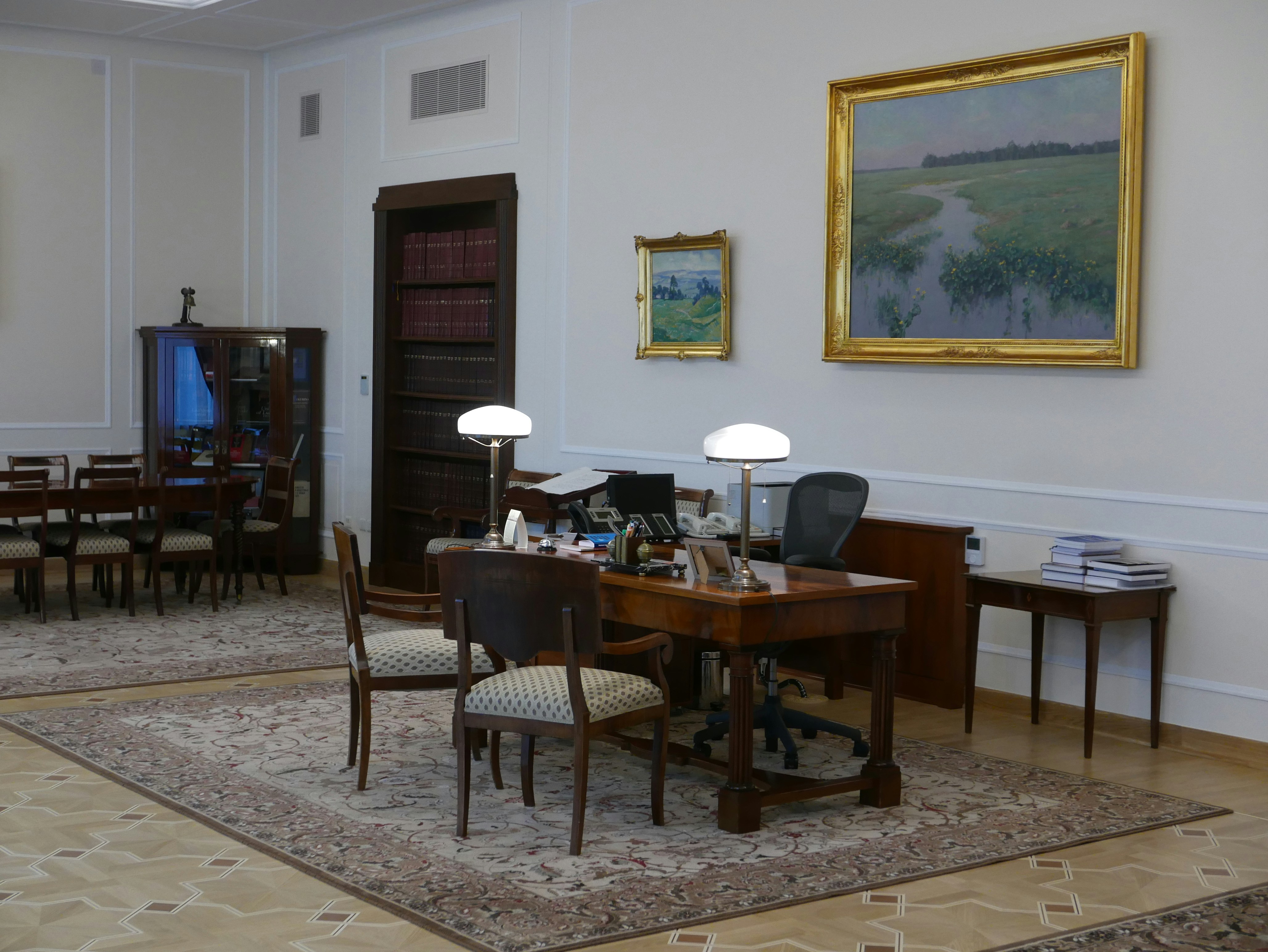
The Office Furniture Market: Overview and Market Cap
The office furniture market is a dynamic segment of the larger furniture industry, shaped by ongoing evolution in workplace design and functionality. Over the past decade, there has been a considerable shift toward creating more adaptable and collaborative workspaces, which has significantly influenced market demand. This evolution is driven by a variety of factors, including technological advancements, changing work styles, and the emphasis on employee well-being.
As of recent reports, the global office furniture market is valued at approximately $82.40 billion, with expectations of reaching $116.80 billion within the next five years. This anticipated growth can be attributed to several key trends. Firstly, the increasing adoption of open-plan offices has spurred demand for versatile furniture solutions that can easily be reconfigured to fit various layouts. Furthermore, the rise of remote work has also impacted the market, prompting businesses to invest in hybrid office setups that cater to both on-site and off-site employees.
Another significant driver of market dynamics is the growing awareness of ergonomics in furniture design. There has been a noticeable shift toward products that not only enhance aesthetic appeal but also promote health and productivity. Items such as height-adjustable desks, ergonomic chairs, and collaborative seating are increasingly becoming staples in office environments.
Geographically, the North American market holds a substantial share, driven by the presence of a well-established office infrastructure and significant corporate investments. However, regions such as Asia-Pacific are experiencing rapid growth, spurred by urbanization and the expansion of small to medium-sized enterprises (SMEs). Overall, the office furniture market continues to evolve, adapting to changing workplace requirements and technological advancements, making for a promising sector in the years to come.
Profitability in the Office Furniture Business
The office furniture industry is characterized by a diverse range of products and a competitive landscape. Achieving profitability in this segment requires a multifaceted approach that encompasses understanding production costs, strategic pricing, and identifying various revenue streams. Businesses must first analyze their production costs, which include materials, labor, and overhead expenses. By optimizing these costs through efficient manufacturing processes and sourcing of sustainable materials, companies can create a solid foundation for profitability.
Moreover, developing a strategic pricing strategy is vital in determining the selling price of office furniture. This strategy should factor in both the costs incurred and the perceived value of the products in the eyes of customers. Companies often adopt various pricing models, such as cost-plus pricing, value-based pricing, or competitive pricing, to effectively position their products within the market. Understanding customer segments and their willingness to pay is crucial in this regard.
Common revenue streams in the office furniture business typically include sales from furniture pieces, accessories, and related services such as installation and consultation. Subscription models or leasing options are also emerging trends that allow companies to provide flexible solutions to their clients, potentially increasing long-term profitability.
Several examples illustrate successful business models in this industry. For instance, companies like Steelcase and Herman Miller have implemented innovative designs and ergonomic solutions that cater to changing workplace environments. These businesses have not only increased their market share but have also established brand loyalty by aligning their offerings with customer preferences.
To optimize operations for increased profitability, it is essential to invest in technology and automation. Streamlining production processes, utilizing data analytics for inventory management, and enhancing customer engagement through digital platforms can lead to significant improvements in efficiency and revenue generation. By adopting these strategies, office furniture businesses can position themselves for sustainable growth in a competitive market.
Luxurious and Comfortable Office Furniture Brands Worldwide
The office furniture market has evolved significantly, showcasing brands that prioritize comfort and luxury. These brands distinguish themselves through innovative design, ergonomic considerations, and the use of high-quality materials. For professionals seeking a seamless blend of style and functionality in their workspaces, several companies stand out as leaders in luxury office furniture.
One of the most prestigious names in the industry is Herman Miller, renowned for its iconic Aeron chair. This chair exemplifies ergonomic excellence, designed to provide optimal support for prolonged sitting. The focus on environmental sustainability also makes Herman Miller a preferred choice among companies aiming to project a modern, responsible brand image.
Another notable brand is Steelcase, which is committed to enhancing work environments with furniture that promotes collaboration and individual productivity. Steelcase’s designs incorporate flexible configurations that adapt to various work styles, pairing luxurious aesthetics with practical ergonomics.
Knoll is yet another company synonymous with luxury in office furniture. Their focus on modern design and quality craftsmanship ensures that each piece not only serves a purpose but also enhances the aesthetic appeal of any workspace. Additionally, Knoll places a strong emphasis on collaborative spaces, creating solutions that foster teamwork while maintaining comfort.
For those looking for craftsmanship blended with unique design, Vitra is an excellent choice. Vitra’s collection features iconic designs from celebrated architects and designers, focusing equally on functionality and style. The result is furniture that is not only comfortable but also serves as a conversation starter.
In the fast-evolving office landscape, these brands continue to lead the way in luxurious, comfortable office furniture, combining innovative design and high-quality materials to create work environments that enhance both productivity and wellbeing.
10 Frequently Asked Questions About Office Furniture
Choosing the right office furniture is critical to creating a productive workspace, and many questions arise regarding this topic. Here, we address ten frequently asked questions to provide clarity for those navigating the office furniture market.
1. What is ergonomic office furniture? Ergonomic office furniture is designed to promote comfort and efficiency by accommodating the needs of the human body. This typically includes adjustable chairs, sit-stand desks, and accessories that minimize strain while working.
2. How do I choose the right desk for my office? When selecting a desk, consider factors such as size, style, and functionality. Ensure that it fits your workspace and meets your operational needs, whether you prefer a traditional desk or a modern standing desk.
3. What materials are commonly used in office furniture? Office furniture can be made from a variety of materials, including wood, metal, and plastic. Each material offers distinct aesthetic qualities and durability, making it essential to choose based on personal preference and budget.
4. How can I maintain my office furniture? Regular maintenance is crucial for longevity. Dust surfaces weekly, clean spills immediately, and periodically check for wear and tear to keep your furniture looking new and functioning well.
5. Why is ergonomic furniture important? The significance of ergonomic furniture lies in its ability to reduce the risk of musculoskeletal disorders and enhance overall work performance by providing crucial support and comfort during long hours at work.
6. What should I consider when buying office chairs? When purchasing office chairs, consider adjustability, lumbar support, and materials. A good chair should enable users to maintain a healthy posture while offering adequate comfort for extended use.
7. How can I maximize a small office space? To optimize a smaller workspace, select multi-functional furniture, such as desks with built-in storage or collapsible tables, and keep the layout open to promote a less cluttered environment.
8. Are there eco-friendly options for office furniture? Yes, the office furniture market increasingly offers sustainable options, such as reclaimed wood and furniture made from recycled materials, catering to environmentally conscious consumers.
9. What are the current trends in office furniture? Recent trends include an emphasis on flexibility with modular furniture, biophilic design to incorporate nature, and the use of vibrant colors alongside minimalist aesthetics to enhance the workspace ambiance.
10. How do I measure space for office furniture? When measuring, consider not only the dimensions of the furniture but also how it will fit in the larger context of the room. Allow for movement space and the placement of additional equipment to ensure functionality.
These questions reflect common concerns regarding office furniture and its diverse aspects. Addressing them can help guide consumers in their purchasing decisions, fostering a well-planned and efficient office environment.