What is a ranch?
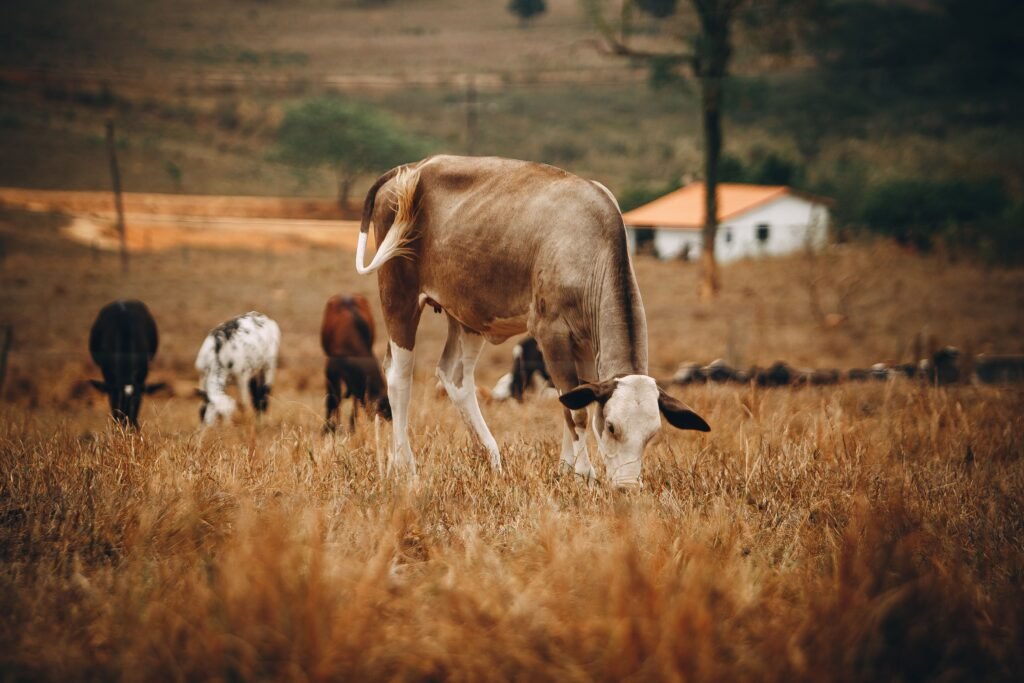
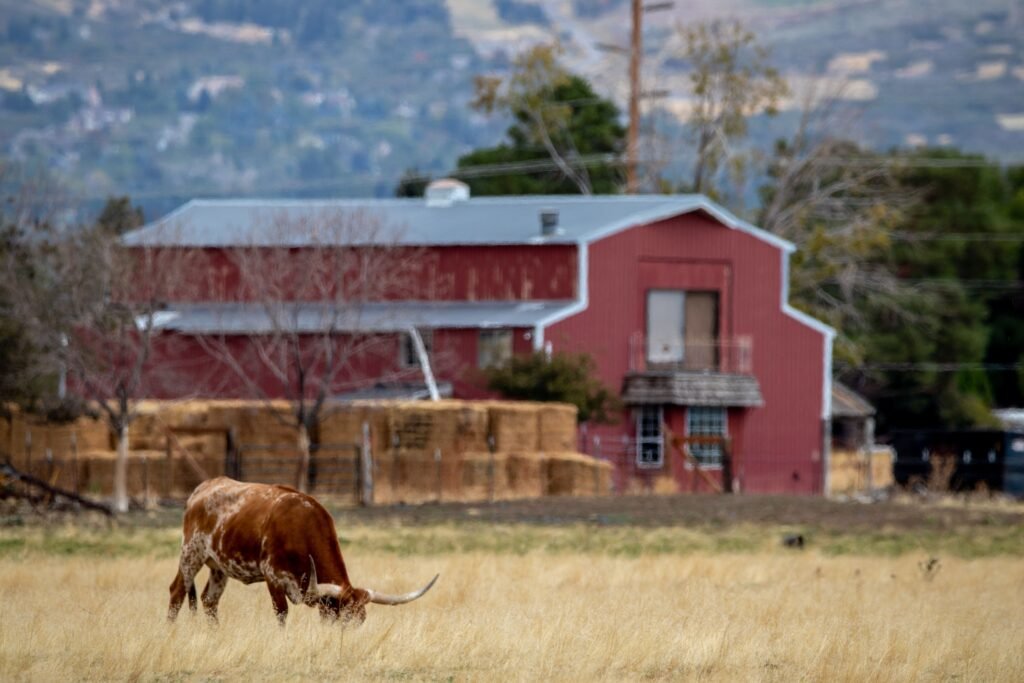
A ranch is a sizable tract of land primarily designated for the management and stewardship of livestock, typically cattle or horses, though it may also support other agricultural activities. Ranches often encompass expansive pastures, water resources, improvements such as fences and facilities, and sometimes additional income streams from agri-tourism, hunting leases, or crop production. The appeal lies in the combination of space, natural resources, and the potential for varied agricultural and lifestyle uses.
Investment overview: benefits of investing in ranch property
- Diversification of portfolio: farmland and ranch real estate can provide a counterbalance to traditional equities and urban real estate, reducing overall portfolio risk.
- Potential for steady cash flow: income may be generated from cattle operations, leasing of grazing rights, hunting or recreational leases, and related agricultural activities.
- Land as a tangible, long-horizon asset: rural land typically retains intrinsic value and can serve as a durable store of wealth over time.
- Tax and depreciation opportunities: owners may benefit from applicable depreciation, deductions for maintenance, and favorable capital gains treatment upon disposition, subject to tax laws and professional guidance.
- Lifestyle and privacy value: ownership often affords personal use opportunities, including ranching operations, outdoor recreation, and extended family ownership.
- Resource control and stewardship: owning a ranch provides direct oversight of water rights, soil management, range health, and wildlife habitat, which may enhance sustainability and productivity.
- Potential for appreciation and development opportunities: depending on location and zoning, there may be capital appreciation, subdivision potential, or agricultural-amenity growth over time.
Positive points of holding ranch property
- Hedge against inflation: land with productive capacity can serve as a durable asset that tracks inflationary pressures.
- Income diversification: multiple revenue streams—from livestock operations to leasing and tourism—can stabilize returns across market cycles.
- Generational asset: ranches can be preserved as family assets, offering long-term stewardship and potential transfer between generations.
- Strong land fundamentals: rural properties frequently benefit from limited supply and enduring demand from agricultural, equestrian, and conservation communities.
- Environmental and conservation value: well-managed ranches can support biodiversity, water stewardship, and sustainable grazing practices, potentially unlocking program collaborations or incentives.
Negative points of holding ranch property
- Illiquidity and transaction costs: rural real estate typically sells slowly, with sizeable closing costs and due diligence requirements.
- High operating expenses: fencing, improvements, equipment, personnel, and veterinary care contribute to ongoing outlays.
- Operational expertise required: successful ranching demands governance over genetics, nutrition, pasture management, and herd health, which may necessitate experience or professional support.
- Market and price risk: cattle prices, feed costs, and demand for ranch-produced commodities can fluctuate, influencing profitability.
- Climate and water risk: drought, floods, and water rights changes can materially affect carrying capacity and returns.
- Regulatory and environmental considerations: compliance with land use, wildlife, water, and habitat regulations can impose costs and administrative burdens.
- Financing challenges: leveraging ranch purchases may involve more restrictive lending criteria and higher equity requirements due to the nature of agricultural collateral.