
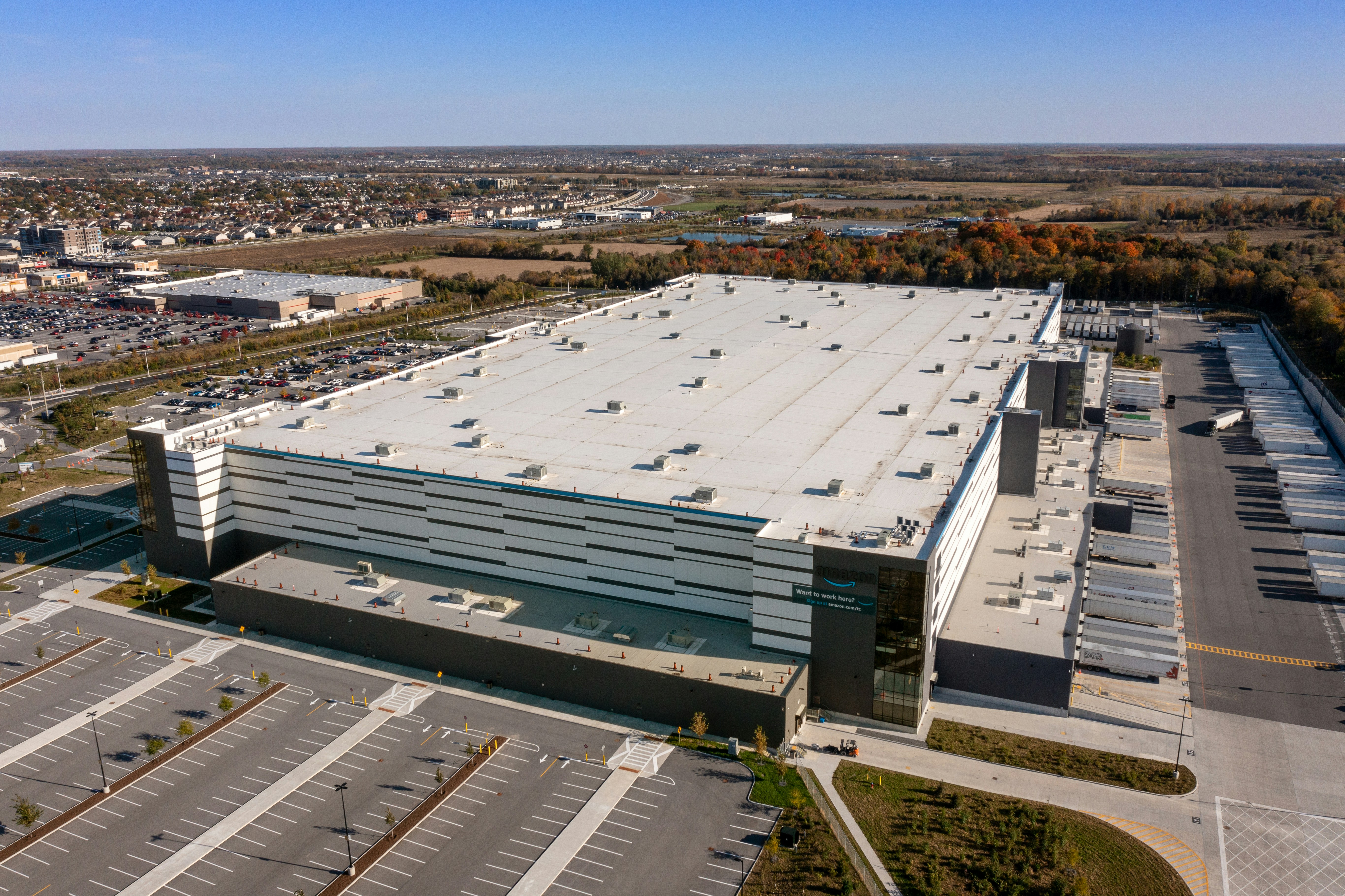
Understanding the Warehouse Owner’s Preferences
Warehouse ownership is a critical component of supply chain management, enabling businesses to streamline operations and meet customer demands effectively. Understanding who warehouse owners are and their preferences when acquiring properties is essential for those involved in the real estate sector or looking to invest in such facilities.
Warehouse owners primarily include logistics companies, manufacturers, e-commerce retailers, and third-party logistics (3PL) providers. Each category of owners has distinct requirements and considerations based on its operational model and industry standards. For instance, e-commerce retailers might prioritize modern warehouses equipped with advanced technologies to facilitate efficient order fulfillment, whereas traditional manufacturing entities may lean towards larger, conventional facilities.
When assessing potential warehouse properties, owners consider several factors that significantly influence their decisions. The location of a warehouse is paramount, as it impacts distribution efficiency, labor availability, and proximity to suppliers and customers. Accessibility to major transportation networks, such as highways, railroads, and ports, is also a crucial aspect that can enhance operational efficiency and reduce logistics costs.
Furthermore, warehouse size and layout are closely scrutinized. Owners must ensure that the space available aligns with their storage needs and the nature of their inventory. Specialized warehouses, for example, may require specific temperature controls or handling equipment for perishable goods, influencing the type of property selected.
In recent years, noticeable trends have emerged, shaping the preferences of warehouse owners across various industries. The rise of e-commerce has spurred a demand for last-mile delivery solutions, resulting in a preference for smaller, strategically located distribution centers. Additionally, sustainability concerns are pushing owners to consider greener, energy-efficient facilities that comply with evolving regulations.
Financial Advantages of Owning a Warehouse
The financial benefits of owning a warehouse are multifaceted, enabling investors to explore various avenues for income generation and cost savings. One of the primary advantages is the opportunity for leasing the space to tenants. By providing warehouse facilities to businesses in need of storage, owners can establish a steady revenue stream. Long-term leases can result in predictable income, while short-term rentals may cater to businesses with fluctuating needs.
Additionally, owning a warehouse can offer significant tax incentives. Property owners may benefit from depreciation deductions, which can reduce taxable income over time. Furthermore, in certain jurisdictions, there may be additional incentives for real estate investments, such as tax credits and exemptions, fostering a more appealing investment landscape.
Another financial advantage includes the potential for property appreciation. As market conditions evolve, the value of warehouse properties can increase, providing owners with a valuable asset. Economic growth often leads to increased demand for logistics and storage, further boosting property values. This appreciation can yield substantial returns when the property is sold or refinanced.
Moreover, owning a warehouse can help reduce operational costs for businesses. By having direct control over the property, owners can manage expenses effectively, including maintenance and utilities. This autonomy allows for strategic decision-making that can optimize operational efficiency. Importantly, warehouse ownership can serve as a hedge against inflation, enabling property owners to mitigate the risks associated with rising costs. As demand for storage space increases, property values and rental rates tend to rise as well, providing a safeguard against economic fluctuations.
In conclusion, the financial advantages of owning a warehouse extend beyond mere revenue generation, encompassing tax benefits, property appreciation, and cost management while also offering a protective measure against inflation. This combination of benefits makes warehouse ownership an attractive proposition for many investors.
Essential Legal Documents Required for Warehouse Ownership
Owning a warehouse is not merely about having the physical space; it also involves understanding and managing a variety of legal documents crucial to securing and operating the property effectively. One of the foundational documents for warehouse ownership is the title. The title serves as proof of ownership, and it is critical to ensure that it is clear and free from liens or encumbrances that could jeopardize the investment.
Alongside the title, a deed is required to officially transfer property ownership from one party to another. The deed contains essential details about the property, including its location, size, and boundaries, thus ensuring that all aspects of the property transaction are legally documented. When purchasing a warehouse, a purchase agreement is also necessary. This contract outlines the terms of the sale, including purchase price, payment structure, and any contingencies that might affect the transaction.
Zoning regulations must be carefully reviewed to confirm that the warehouse’s intended use complies with local laws. These regulations dictate what can be built in various areas and may impose limitations on operations within the warehouse, such as types of goods that can be stored or handled. Understanding these legalities is fundamental to avoiding future conflicts with city or county regulations.
In addition to the above documents, contracts with service providers and insurance policies should be established to mitigate risk. Insurance is particularly vital, as it protects against potential losses arising from property damage or liability claims. Permits may also be required depending on the nature of the warehouse operations, ensuring that the business complies with local and federal regulations.
In conclusion, being well-versed in the essential legal documents necessary for warehouse ownership—titles, deeds, purchase agreements, zoning regulations, contracts, and insurance policies—ensures compliance with all regulations while safeguarding your investment in the property.
Navigating Challenges in Warehouse Ownership
Warehouse ownership presents several challenges that can impact operations and profitability. Among the most significant issues are maintenance costs, regulatory compliance, and market fluctuations. Understanding these obstacles is crucial for both current and prospective warehouse owners as they develop strategies to mitigate their effects.
Maintenance costs can be a substantial burden for warehouse operators. Routine upkeep, unexpected repairs, and the need for upgrades can strain budgets. To address these issues, warehouse owners should consider investing in preventive maintenance programs. By proactively managing facility conditions, owners can extend the life of their assets and defer large expenses over time. This strategic planning not only minimizes disruptions but also enhances overall productivity.
Regulatory compliance is another area of concern that warehouse owners must navigate. Various local, state, and federal regulations impact operations, particularly concerning health and safety, environmental standards, and zoning laws. To effectively manage these complexities, warehouse owners should establish clear compliance protocols and regularly update them to reflect changes in legislation. Utilizing compliance management software can streamline this process, helping owners stay informed and organized.
Market fluctuations also pose a challenge for warehouse ownership. Economic downturns can lead to reduced demand for storage space, which may impact rental income. Conversely, a booming market can strain resources, leading to increased competition and the necessity for expansion. To cope with these fluctuations, warehouse owners should conduct thorough market analysis and develop flexible operational plans that can adapt to changing conditions. By integrating technology, such as inventory management systems, operators can improve efficiency and respond swiftly to market trends.
In conclusion, navigating the challenges of warehouse ownership requires a multi-faceted approach that includes strategic planning, investment in technology, and a commitment to regulatory compliance. By mitigating these challenges, warehouse owners can enhance their operational efficiency and secure their investments for the future.