
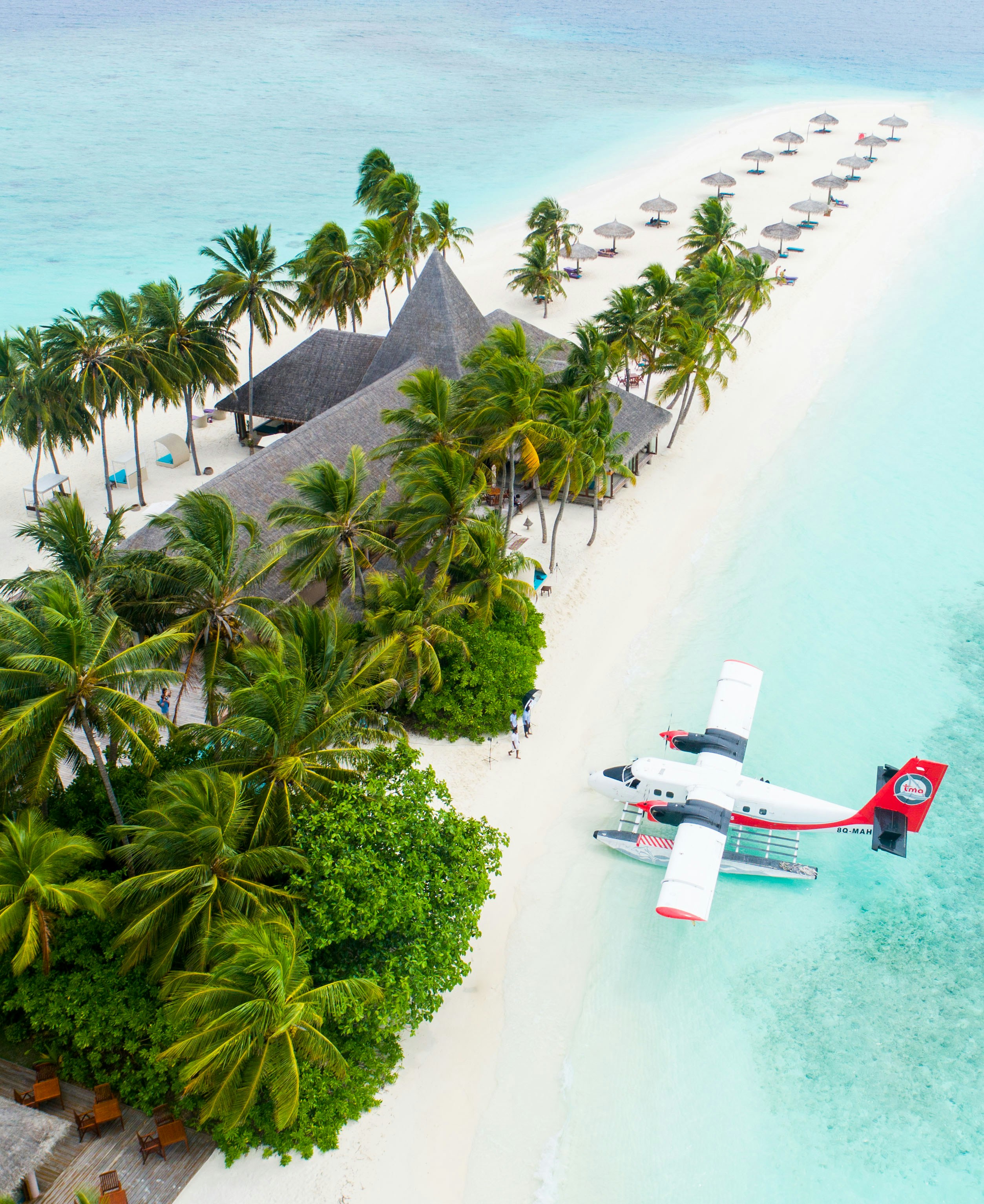
Who Prefers Private Island Properties?
Private island ownership often attracts a diverse range of individuals, with ultra-high-net-worth individuals leading the pursuit. These affluent buyers generally have a net worth that surpasses tens of millions of dollars, allowing them to consider such investments as more than just luxury. For many, owning a private island is a symbol of status and exclusivity, appealing to their desire for unique real estate investments that differentiate them from others in their social strata.
Celebrities also have a significant interest in private islands, drawn by the promise of privacy and the ability to escape the demands of public life. These high-profile individuals often prioritize seclusion, seeking out an environment where they can relax undisturbed by the attentions that characterize their everyday lives. For instance, numerous well-known actors, musicians, and athletes have acquired islands as retreats, providing them with an elite getaway that is truly their own.
Entrepreneurs and business magnates constitute another demographic inclined towards purchasing these exclusive properties. For these individuals, buying a private island can serve multiple purposes. Such investments can offer opportunities for future developments, personal getaways for relaxation or business retreat, or even a venue for hosting high-profile events and gatherings. Additionally, the potential to generate income through eco-tourism or private rentals is often an attractive prospect for these savvy investors.
Lastly, beyond the ultra-wealthy, private islands are becoming popular amongst investment groups and those looking for a unique asset class. The allure of seclusion, combined with the appeal of potential financial returns, attracts these buyers, motivated by a variety of factors including lifestyle desires, investment foresight, and the promise of unparalleled privacy.
Documents Required for Purchasing a Private Island
Acquiring a private island is a complex process that demands careful consideration of various documentation requirements. Essential documents that prospective buyers must gather reflect the legal, environmental, and financial aspects of the transaction. These documents typically include land titles, purchase agreements, and environmental assessments.
The land title is a crucial document, establishing the legal ownership of the island and clearly defining its boundaries. It is imperative that buyers confirm the legitimacy of the title to avoid potential disputes in the future. This step often involves working with local authorities or legal professionals who specialize in real estate transactions in the specific jurisdiction of the island.
Furthermore, a purchase agreement typically outlines the terms of the sale, including the sale price, contingencies, and deadlines. Buyers should engage legal counsel to ensure that this agreement protects their interests and complies with local laws. The purchase agreement is essential in formalizing the buyer’s intention to acquire the property.
Environmental assessments are another important aspect, especially in locations where ecological regulations are strict. These assessments help determine the environmental impact of any intended development on the island. Compliance with local environmental laws not only ensures sustainable practices but may also affect permits and licenses needed for usage and development.
In many regions, additional permits or licenses might be necessary depending on the intended use of the property, such as development, conservation, or commercial activities. Buyers should familiarize themselves with local regulations and may need to liaise with governmental bodies to secure these documents.
Lastly, conducting thorough due diligence is paramount. This involves verifying all documents and assessing both legal and financial implications before finalizing the purchase. The combination of proper documentation and meticulous research can safeguard the investment and contribute to a successful acquisition of the private island.
Financial Status of Private Island Holders
Private island ownership has long been associated with wealth, and the typical financial status of individuals who acquire these exclusive properties reflects this. Most private island owners belong to the higher income brackets, with significant assets that enable them to further invest in unique real estate. On average, these individuals often possess a net worth exceeding several million dollars, taking into account not only the value of the island itself but also related investment properties and business ventures.
The sources of income for private island holders are diverse, ranging from inherited wealth and successful entrepreneurial ventures to prominent roles in industries such as finance, entertainment, or technology. Business owners and high-level executives stand as a substantial portion of this demographic. Their financial prowess allows them to pursue the luxury of a private island, representing not just a residence or a vacation spot but also an investment opportunity.
However, owning a private island comes with extensive financial commitments that potential buyers must carefully consider. Maintenance costs can vary widely based on the island’s location, size, and infrastructure. This includes regular upkeep of the property, paying for utilities (if available), and addressing any repairs or renovations that may arise. Additionally, owners must factor in property taxes that can differ significantly depending on the jurisdiction in which the island is situated.
Furthermore, the financial profiles of private island holders can influence their choice of property location and features. For instance, some may prioritize accessibility to luxury amenities like private airstrips or marinas, while others might seek seclusion and natural beauty. The balance between these personal preferences and financial realities often dictates the ultimate decision-making process.
Generating Income from Private Island Ownership
Private island ownership provides numerous opportunities for generating income, transforming an otherwise personal retreat into a lucrative venture. One of the most prevalent avenues for revenue is through vacation rentals. Many island owners opt to list their properties on luxury rental platforms, allowing them to cater to high-net-worth individuals seeking exclusive getaways. This option not only provides a return on investment but also helps in maintaining the island, as rental income can cover ongoing expenses.
In addition to vacation rentals, some owners consider developing their islands into resorts or boutique hotels. This venture requires considerable investment but can yield substantial profits if executed well. An island developed into a resort can attract tourists to participate in various activities, ranging from water sports to wellness programs. The exclusivity and serene nature of private islands often create a unique selling proposition in the competitive hospitality market.
Hosting events or retreats is another promising source of income. Private islands can serve as stunning backdrops for weddings, corporate retreats, or wellness workshops. With the right marketing strategy and exclusivity offerings, owners can charge premium fees for such events, further enhancing their revenue streams.
Moreover, the growing interest in eco-tourism presents additional opportunities for island owners. By creating sustainable tourism options, such as guided nature tours, environmental workshops, or conservation efforts, owners can attract a niche market interested in environmentally responsible travel. This not only generates income but also contributes positively to ecological preservation.
In summary, private island ownership can yield multiple income-generating avenues, including vacation rentals, resort development, event hosting, and eco-tourism. Each of these options carries unique financial implications, and strategic planning is essential to maximize the potential benefits of owning a private island.