
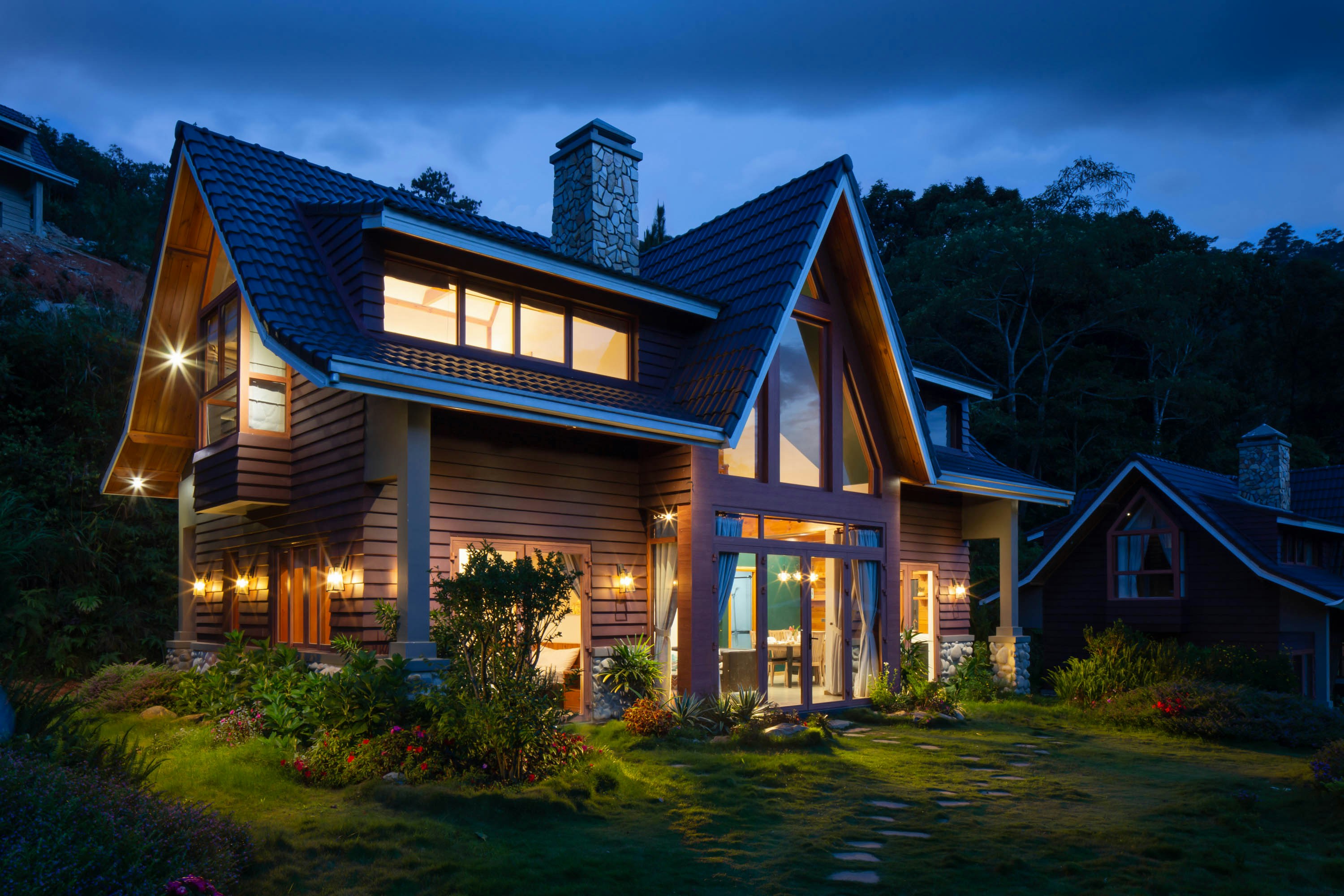
Introduction to Luxury Wooden Homes
Luxury wooden homes represent a refined blend of elegance and sustainability, uniquely positioned in the modern architectural landscape. These residences often capture the innate beauty of timber, showcasing the organic aesthetics that set them apart from traditional housing designs. The natural grains, textures, and colors of wood create a warm and inviting ambiance, attracting those who appreciate a connection to nature within their living spaces.
In addition to their aesthetic allure, luxury wooden homes are increasingly recognized for their environmental benefits. Wood is a renewable resource, and when sourced responsibly, it contributes to a lower carbon footprint compared to other building materials. The use of advanced construction techniques and finishes ensures these homes maintain durability and weather resistance, further harmonizing luxury with sustainability.
This growing trend in wooden homes aligns with a shift towards sustainable living and a preference for eco-friendly materials in architecture. As more homeowners seek spaces that embody tranquility and an ecological conscience, luxury wooden homes have become prominent choices. They not only serve as residences but also as statements of lifestyle that prioritize both beauty and environmental integrity.
Moreover, the versatility of wooden homes allows for a range of designs, from rustic chalets to sleek modern structures, catering to varied tastes and preferences. This adaptability makes wooden homes appealing to a broad audience, further solidifying the position of luxury wooden homes in contemporary architecture.
Advantages of Wooden Homes
Wooden homes are increasingly recognized for their myriad advantages, presenting homeowners with exceptional benefits that extend beyond mere aesthetics. One of the significant advantages of wooden homes is their energy efficiency. Wood is a natural insulator, meaning it can help regulate indoor temperatures, reducing reliance on heating and cooling systems. This property not only enhances comfort but also contributes to lower energy costs over time.
Moreover, the natural insulation properties of wood play a critical role in maintaining a comfortable living environment. Unlike many other building materials, wood offers excellent thermal performance, ensuring that homes remain warm in winter and cool in summer. This intrinsic quality aligns with contemporary demands for sustainable building practices, where reducing energy consumption is crucial for the environment.
In addition to energy efficiency, wooden homes lend themselves to biophilic design elements, which emphasize the connection between nature and our living spaces. This design philosophy integrates natural materials and elements, enhancing well-being and promoting healthier living environments. The use of wood creates a calming atmosphere and serves as a visual reminder of nature, further enriching the quality of life for residents.
Another notable aspect of wooden homes is the ability to customize aesthetics through a variety of wood types. Homeowners can select different species of wood, each offering distinctive colors, textures, and finishes, thus allowing for personalized style and design preferences. This versatility enables residents to create unique spaces that reflect their individual tastes.
Lastly, wooden homes significantly contribute to sustainability efforts. Sourced responsibly, wood is a renewable resource, making wooden homes an environmentally friendly option compared to traditional building materials. By choosing wood as the primary building component, homeowners actively support sustainable forestry practices that promote ecological balance.
Common Types of Wood Used in Luxury Homes
When it comes to the construction and finishing of luxury wooden homes, the choice of wood is paramount, as it impacts both aesthetic appeal and longevity. There are predominant types of wood utilized in these upscale residences, each possessing distinct characteristics that cater to various preferences and requirements.
Hardwoods, derived from deciduous trees, are often favored for their durability and rich grain patterns. Common hardwood species include oak, maple, and cherry. Oak, for instance, is renowned for its strength and resistance to wear, making it an ideal choice for flooring and furniture in luxury homes. Maple offers a fine, uniform texture that is perfect for detailed woodwork, while cherry deepens in hue over time, adding to its visual allure. However, one must note that hardwoods can be more expensive and may require more maintenance than softwoods.
On the other hand, softwoods, which are sourced from coniferous trees, also find significant use in luxury residential projects. Notable softwood types include pine, cedar, and spruce. Cedar, known for its natural resistance to decay and insects, is often employed for exterior applications and decking. Its aromatic properties make it particularly appealing in crafting smaller indoor features as well. Nevertheless, while softwoods may be less expensive and easier to work with, they generally do not offer the same level of durability as their hardwood counterparts.
Ultimately, selecting the proper wood for a luxury home involves balancing desired aesthetic qualities with practical considerations such as maintenance and durability. In many instances, a combination of both hardwoods and softwoods can result in a harmonious and robust design, ensuring the home stands the test of time while retaining its exquisite appeal.
10 Essential Tips for Maintaining Wooden Homes
Maintaining a luxury wooden home is crucial to preserving its beauty and longevity. Here are ten essential tips to ensure your wooden residence remains in excellent condition.
1. Regular Cleaning: Dust and dirt can accumulate on wooden surfaces, leading to dullness. Regularly dusting with a soft cloth and using mild cleaners specifically designed for wood can help maintain its luster.
2. Moisture Control: Wood is highly susceptible to moisture damage. Use humidifiers or dehumidifiers to maintain optimal humidity levels, keeping wood from warping or developing mold.
3. Pest Prevention: Termites and other wood-boring insects can severely damage wooden structures. Inspect the home regularly and consider treatments to prevent infestations, especially in warm and humid climates.
4. Periodic Inspections: Conduct regular inspections of the exterior and interior woodwork. Look for signs of damage, such as cracks or peeling finishes, and address issues promptly.
5. Finish Maintenance: The protective finish on wood surfaces may wear over time. Reapplying varnish or sealant periodically can safeguard the wood from environmental damage and enhance its appearance.
6. Rainwater Management: Ensure proper drainage and gutter systems are in place to prevent water from pooling around the foundation or on the wooden surfaces, which can lead to rot.
7. Proper Ventilation: Adequate ventilation in attics and basements prevents moisture buildup, which is essential in maintaining the health of a wooden home.
8. Avoid Direct Sunlight: Prolonged exposure to direct sunlight can fade and damage finishes. Use curtains or UV-protective films on windows to minimize this risk.
9. Repair Damages Immediately: Any scratches, dents, or damages should be addressed immediately to prevent further deterioration. Utilize appropriate wood fillers or professional repairs.
10. Seasonal Care: Different seasons can affect wooden homes in various ways. Prepare your home for winter by sealing any gaps and for summer by ensuring ventilation, promoting overall stability of the wood.
By following these tips, homeowners can ensure the longevity and beauty of their luxury wooden homes, maximizing their investment while enjoying the natural charm that wood brings.
Understanding the Importance of Climate Considerations
Climate plays a significant role in the maintenance and longevity of wooden homes. Each climatic condition presents unique challenges for homeowners, particularly regarding the preservation of the wood structure. Humidity, temperature fluctuations, and exposure to the elements can all considerably affect wooden homes, leading to complications if not properly managed.
In regions with high humidity, for instance, excess moisture can lead to the growth of mold and mildew, which may compromise the integrity of the wood. Homeowners are advised to implement effective moisture management solutions such as installing dehumidifiers or ensuring proper ventilation in basements and attics. Additionally, using wood treatments that protect against moisture intrusion can be crucial for maintaining the aesthetic and structural quality of a wooden home.
Temperature fluctuations, particularly in climates where extremes are common, can cause wood to expand and contract. This can result in warped or cracked wood over time. To prevent this, it is essential for homeowners to use temperature-regulating insulation methods and to regularly inspect and maintain the seals around windows and doors. Investing in quality insulation not only aids in temperature regulation but also enhances energy efficiency.
Exposure to harsh weather conditions, including heavy rains, strong winds, and intense sunlight, can also detrimentally affect the exterior surfaces of wooden homes. Homeowners should consider investing in protective coatings or finishes that provide a barrier against moisture and UV radiation. Regular maintenance schedules that include painting, sealing, or re-staining the wood can help improve resistance to the elements, ensuring the home stands resilient against climatic adversities.
By understanding the climate considerations relevant to their region and incorporating appropriate maintenance strategies, homeowners can effectively mitigate the risks associated with living in a wooden home. This proactive approach not only protects the structural integrity of the house but also enhances its overall appeal and value.
Frequently Asked Questions about Wooden Homes
Wooden homes have gained popularity for their aesthetic appeal and warmth, but prospective buyers often have several questions regarding their long-term viability and maintenance. Here, we address common inquiries about wooden homes to help you make an informed decision.
1. Are wooden homes durable? Yes, wooden homes can be very durable when constructed and maintained properly. The type of wood used, the construction methods, and regular maintenance play crucial roles in their durability. Many wooden materials are treated to resist rot, insects, and weather damage, extending the lifespan of the home.
2. How does insurance work for wooden homes? Insurance for wooden homes may differ from that of other types of construction, primarily due to concerns about fire risk. Homeowners are advised to seek specialized coverage that addresses the unique attributes of wooden structures, potentially including fire-resistant materials or enhanced security features to mitigate risks.
3. What about fire resistance? While wood is a flammable material, modern treatment options can increase fire resistance. Furthermore, building regulations often dictate the use of fire-retardant materials and construction techniques. Potential buyers should inquire about these aspects when considering a wooden home’s design and safety features.
4. What are the maintenance costs involved? Maintenance costs for wooden homes can vary widely depending on factors such as location, climate, and the type of wood used. Generally, regular maintenance such as staining, sealing, and inspections is necessary to prevent decay and preserve structural integrity. Homeowners should budget for these ongoing costs to ensure the longevity and beauty of their wooden residence.
By addressing these frequently asked questions, we aim to provide clarity and confidence to those considering or currently owning a wooden home. Understanding these factors can help navigate the journey towards enjoying the beauty of a luxury wooden dwelling.
Products Used in Maintaining Wooden Homes
The maintenance of luxury wooden homes requires specialized products that ensure their beauty and longevity. Key categories of products that should be considered include wood preservatives, sealants, and cleaning agents. Choosing the right products can help to protect your investment while preserving the natural beauty of wood.
Wood preservatives are essential for protecting wooden surfaces from insects, fungi, and rot. These products penetrate deep into the wood, creating a barrier that extends the lifespan of the structure. Well-known brands such as Thompson’s WaterSeal and Rust-Oleum offer quality wood preservatives that can be applied easily, offering long-lasting protection.
Sealants are another crucial component of wood maintenance. They safeguard wooden surfaces from moisture damage and UV rays, which can lead to fading and discoloration over time. High-quality options like Behr Premium and Minwax provide excellent waterproofing and sun protection. For those interested in eco-friendly solutions, consider brands that offer low-VOC or water-based sealants, which are kinder to the environment.
When it comes to cleaning, using the right agents is essential to avoid damaging the wood’s finish. A gentle cleaner designed specifically for wood, such as the popular Murphy’s Oil Soap, can effectively remove dirt without stripping away protective coatings. Additionally, using a soft cloth or a microfiber cloth for application helps to maintain the integrity of the wood’s surface.
In summary, maintaining luxury wooden homes involves selecting high-quality wood preservatives, sealants, and cleaning agents. By investing in reputable brands and eco-friendly options, homeowners can ensure that their wooden structures remain both beautiful and enduring for years to come.
Maintaining a luxury wooden home requires a delicate balance between aesthetic preservation and functional upkeep. Homeowners often face a critical decision when it comes to maintenance: hiring professional services or opting for a do-it-yourself (DIY) approach. Each option carries its own set of advantages and disadvantages, which can significantly influence the overall maintenance experience.
One of the primary benefits of hiring professionals for wooden home maintenance is their expertise and experience. Professionals are trained to identify potential issues that may not be immediately apparent to a layperson. Their specialized knowledge in handling wood treatment, pest control, or restoration processes ensures that the work is done correctly and effectively. Moreover, using professional services often guarantees that the job complies with local regulations and safety standards, providing homeowners with peace of mind.
However, the financial aspect cannot be overlooked. Employing professionals generally incurs higher costs, which may not be feasible for all homeowners. These expenses can include labor, materials, and potential service agreements. For those on a strict budget, a DIY approach may appear more attractive initially, as it minimizes labor costs and allows for flexibility in scheduling tasks.
Taking the DIY route also adds a personal touch to the home’s maintenance. Homeowners might take pride in completing projects themselves, and they gain invaluable experience in home care. Nonetheless, this approach requires a significant time investment and may pose risks if the homeowner lacks experience in handling specialized tasks. Mistakes made during DIY maintenance could lead to more costly repairs in the long run, effectively negating any initial savings.
Ultimately, the decision between hiring professionals versus taking a DIY approach to maintenance of luxury wooden homes depends on individual circumstances, including budget, time, and expertise. By weighing the pros and cons of each option, homeowners can make informed decisions that best suit their unique situation.
Conclusion: Embracing the Luxury of Wooden Living
Luxury wooden homes epitomize both elegance and sustainability, offering homeowners a unique living experience that combines natural beauty with modern amenities. Throughout this blog post, we have discussed the myriad advantages of choosing wooden homes, such as their aesthetic appeal, energy efficiency, and environmental benefits. The rich texture and warmth of wood create an inviting atmosphere that is unmatched by other building materials. Furthermore, the versatility of wood allows for a range of architectural styles, enabling homeowners to express their individuality.
In addition to their charm, wooden homes require a commitment to proper maintenance to ensure longevity and sustain their beauty over time. From regular inspections to essential treatments, embracing proactive strategies is key to preserving the investment in a wooden property. Homeowners are encouraged to adopt routine practices such as cleaning, sealing, and protecting wooden surfaces from the elements. By doing so, they not only enhance the home’s lifespan but also maintain its market value.
Moreover, the environmental implications of wooden homes cannot be understated. As a renewable resource, wood promotes sustainability when sourced responsibly. Choosing certified timber contributes to forest management efforts, underscoring a commitment to ecological balance. This ultimately empowers homeowners to make choices that benefit not only their immediate living spaces but also the wider environment.
In essence, the allure of luxury wooden homes lies in their ability to harmonize with nature while providing a comfortable and stylish sanctuary. With thoughtful maintenance and a commitment to sustainability, homeowners can enjoy the many benefits that wooden living brings for years to come. Embracing wooden living is not merely a choice of material; it represents a lifestyle that values beauty, durability, and ecological responsibility.