
Understanding Artificial Intelligence
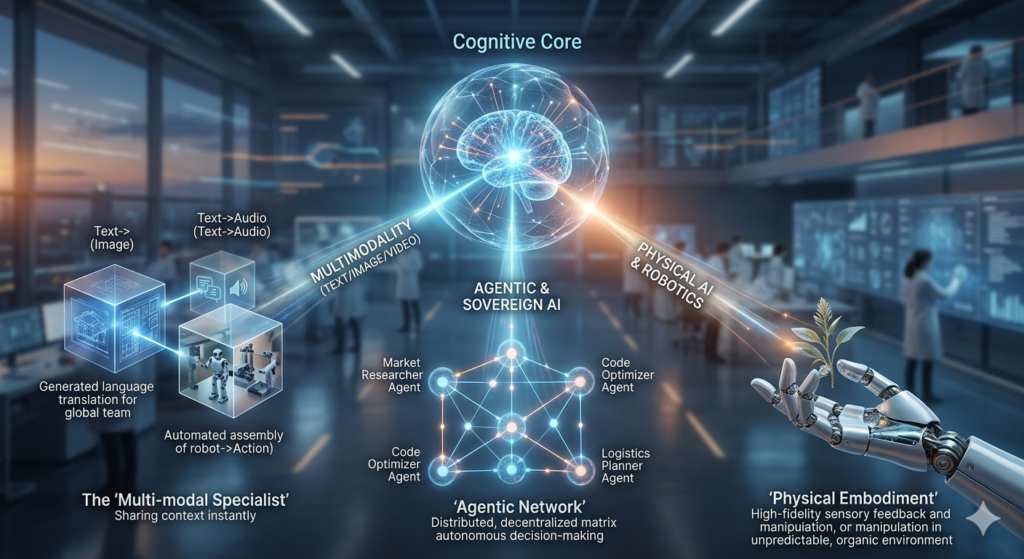
Artificial Intelligence (AI) refers to the simulation of human intelligence processes by computer systems. These processes encompass various capabilities, including learning, reasoning, problem-solving, perception, and language understanding. The core components that constitute AI include machine learning, neural networks, and natural language processing (NLP). Each of these components plays a crucial role in enabling machines to execute tasks that typically require human intelligence.
Machine learning is a subset of AI that allows devices to learn from data and improve their performance over time without being explicitly programmed. It employs algorithms that analyze and interpret vast quantities of data to make predictions or decisions. Neural networks, a critical aspect of machine learning, are designed to simulate the way human brains function. These networks consist of interconnected nodes that process information in layers, allowing the system to recognize patterns and correlations within complex datasets.
Natural language processing is another vital component of AI that focuses on the interaction between computers and humans through natural language. NLP enables machines to understand, interpret, and respond to human language in a meaningful way. This technology powers applications such as chatbots, translation services, and voice-activated assistants, fundamentally changing how we communicate and interact with digital devices.
AI can be categorized into two distinct types: narrow AI and general AI. Narrow AI, also known as weak AI, is designed to perform specific tasks, such as facial recognition or speech recognition, and is prevalent in our daily lives, often manifested in applications like virtual assistants or recommendation systems. In contrast, general AI, or strong AI, refers to a theoretical form of AI that possesses generalized human cognitive abilities, which is still largely a concept under research.
In conclusion, understanding the various components and types of artificial intelligence is essential as we navigate its integration into everyday life. From machine learning to NLP, these technologies are transforming industries and reshaping our interactions with technology.
Current Applications of AI
Artificial Intelligence (AI) has become an integral part of various industries, significantly enhancing efficiency and decision-making processes. The healthcare sector, for instance, utilizes AI for predictive analytics and diagnostic purposes. Machine learning algorithms analyze vast amounts of medical data to identify patterns that can lead to early detection of diseases, thus improving patient outcomes. Notably, AI-powered tools assist radiologists by providing second opinions on imaging tests, thereby increasing accuracy and reducing human error.
In the finance industry, AI plays a crucial role in fraud detection and risk assessment. Financial institutions employ AI algorithms that analyze transaction patterns to identify anomalies indicative of fraudulent activity. Furthermore, AI aids in algorithmic trading, where it processes market data at lightning speed to make informed investment decisions. This not only helps in enhancing profitability but also in minimizing potential losses due to swift market changes.
Transportation is another sector where AI has made remarkable advancements. The development of autonomous vehicles relies heavily on AI technologies that interpret data from sensors and cameras, allowing for safe navigation and real-time decision-making. Not only do these innovations promise to reduce accidents, but they also aim to improve traffic flow and minimize congestion.
In the entertainment industry, AI is transforming content creation and personalized recommendations. Streaming services leverage AI to analyze user preferences, thus offering tailored content suggestions that enhance viewer satisfaction and engagement. Additionally, AI-generated scripts and music compositions are gaining traction, showcasing the creative potential of artificial intelligence.
The Future of AI: Trends and Predictions
The landscape of artificial intelligence (AI) is continuously evolving, with numerous trends and advancements anticipated in the next decade. One of the primary trends includes the integration of AI with emerging technologies such as blockchain, the Internet of Things (IoT), and quantum computing. This convergence will likely enhance AI’s capabilities, enabling the creation of more sophisticated and efficient systems that can analyze vast datasets in real time.
Moreover, the evolution of AI algorithms will significantly impact how machines learn from data. Techniques such as deep learning and reinforcement learning are expected to progress, leading to the development of more accurate models that can predict outcomes and make decisions. As algorithms become increasingly refined, AI will begin to operate with greater autonomy, which may enhance productivity across various sectors.
In addition to technological advancements, the role of AI is predicted to expand across multiple industries, including healthcare, finance, transportation, and education. In healthcare, for instance, AI could revolutionize diagnostics and personalized treatment plans, greatly enhancing patient outcomes. In finance, it may improve fraud detection and risk management by swiftly analyzing patterns in transactional data.
However, the societal implications of AI are equally significant. The deployment of AI systems raises ethical considerations related to privacy, bias, and the potential displacement of jobs. Ensuring the responsible development and implementation of AI technologies will be crucial for mitigating these challenges. This includes fostering collaborations between governments, industry leaders, and ethical researchers to create frameworks that govern AI’s growth.
Overall, the future of artificial intelligence holds immense potential. As we move forward, understanding and guiding these trends will be essential to harness AI’s capabilities to enhance human life, while also navigating the associated risks effectively.
Benefits of Artificial Intelligence
The integration of Artificial Intelligence (AI) into various processes offers numerous benefits that are transforming industries across the globe. One significant advantage is improved efficiency. AI-driven automation allows organizations to streamline workflows and reduce manual errors, thus optimizing operations. Processes that previously required substantial human intervention can now be performed with high accuracy and speed, thereby enhancing overall productivity.
Additionally, AI contributes to cost reduction. By automating repetitive tasks, businesses can allocate their human resources to more strategic initiatives, ultimately resulting in lower labor costs and optimized operational expenses. For instance, chatbots are increasingly used to handle customer service inquiries, providing immediate responses without the need for a human representative, which can significantly diminish overhead costs.
Beyond efficiency and cost savings, AI fosters enhanced productivity. It empowers teams by providing advanced tools for project management, data analysis, and workflow coordination. As AI systems are capable of handling large datasets and performing complex analyses, they allow businesses to derive insights that were previously unattainable, facilitating faster and more informed decision-making.
Moreover, advanced data analysis capabilities lead to better decision-making. AI can uncover trends and correlations in data that may not be immediately obvious to human analysts. This analytical power enables businesses to make proactive decisions based on evidence rather than intuition, significantly improving their strategic outcomes.
Lastly, the role of AI in fostering innovation cannot be overlooked. By automating mundane tasks and providing advanced analytics, teams are free to brainstorm and develop creative solutions that drive growth and progress. Ultimately, the advantages of integrating AI are vast, forming a foundation for the future development of technology-driven businesses.
Challenges and Concerns of AI
As artificial intelligence (AI) continues to shape various sectors, it presents an array of challenges and concerns that must be addressed. Among the foremost issues is the ethical implications of AI deployment. Questions surrounding the morality of AI decisions, especially in high-stakes areas such as healthcare and criminal justice, raise significant debates. The potential for machines to make life-altering decisions without human empathy calls for robust ethical guidelines and frameworks.
Additionally, the issue of bias within AI algorithms poses significant challenges. AI systems are trained on historical data, which may reflect existing societal biases. Consequently, if not adequately monitored, these systems can perpetuate discrimination in various forms, affecting marginalized communities disproportionately. Ensuring fairness and equity in AI operations requires ongoing attention and adjustment of training data and algorithms.
Privacy concerns also loom large in discussions about AI. The data used to fuel AI systems often includes sensitive personal information. The potential for misuse or unauthorized access to this data raises significant ethical questions and necessitates strong privacy safeguards and regulations. Organizations must prioritize transparency about how data is collected, stored, and utilized in AI applications.
Finally, the rise of AI poses the threat of job displacement. Automation of tasks traditionally performed by humans could lead to significant job loss in several sectors. As organizations adopt AI technology for efficiency, there is a critical need to consider workforce re-skilling and empowerment to mitigate the effects of displacement. Reinventing education systems and training programs to align with evolving job requirements is essential.
Addressing these challenges requires a collaborative effort among stakeholders. Engaging policymakers, industry leaders, and technologists in responsible AI development can pave the way for technology that benefits society while minimizing its risks.
AI in Daily Life: What to Expect
Artificial intelligence is steadily becoming an integral part of our daily lives, transforming how we interact with technology and manage everyday tasks. Over the next few years, we can anticipate a plethora of advancements in AI that will enhance convenience and improve our overall quality of life. From personal assistants to smart home technologies, the impact of AI will be profound and far-reaching.
One of the most visible examples of AI in daily life is the rise of virtual personal assistants, such as Siri, Google Assistant, and Amazon Alexa. These tools leverage natural language processing to understand and respond to user commands, allowing individuals to set reminders, manage schedules, and even control home appliances with voice commands. As these AI systems become increasingly sophisticated, their ability to learn from user preferences will lead to more personalized and efficient interactions.
Additionally, smart home devices powered by AI algorithms are revolutionizing home management. Devices such as smart thermostats, connected security systems, and intelligent lighting solutions not only contribute to energy efficiency but also enhance security and convenience. As these technologies evolve, they will integrate seamlessly into our daily routines, allowing for automation that simplifies tasks and increases comfort.
Moreover, AI is transforming customer service experiences as businesses adopt automated chatbots and AI-driven support systems. These solutions can handle a wide array of inquiries, often resolving issues more swiftly than traditional methods. As a result, customers benefit from prompt assistance, while businesses can allocate resources more effectively.
In conclusion, the advancements in artificial intelligence are poised to significantly reshape daily life through improved personal assistants, smart home technologies, and efficient customer service. As AI becomes more embedded in our routines, the potential for convenience and enhancement of the human experience will only continue to grow.
Regulations and the Future of AI
As artificial intelligence continues to transform industries and daily life, the necessity for comprehensive regulations has emerged as a crucial topic of discussion among policymakers, technologists, and ethicists. The rapid advancement of AI technologies, coupled with their growing impact on society, underscores the urgency to establish effective frameworks that govern their development and deployment. Such regulations aim to protect users, ensure safety, and promote ethical AI practices.
Governments across the globe recognize the imperative need for policies tailored to AI. Many are in the process of developing specific legislation that addresses transparency, accountability, and privacy concerns associated with AI systems. These legal guidelines often draw inspiration from existing frameworks around data protection and ethical standards. In the European Union, for instance, the proposed AI Act aims to create a harmonized regulatory framework that prioritizes human rights while fostering technological innovation.
In addition to government policies, ethical guidelines play a significant role in defining responsible AI usage. Organizations are increasingly urged to adopt ethical frameworks that ensure fairness, non-discrimination, and the minimization of bias in AI systems. Various industry groups and coalitions, such as the Partnership on AI, are actively developing best practices and principles for responsible AI development. These guidelines encourage transparency in AI algorithms and stress the importance of involving diverse stakeholders in the decision-making processes surrounding AI technologies.
In conclusion, the future of artificial intelligence is intrinsically linked to the establishment of regulations and ethical guidelines. As AI technology permeates more aspects of life, the collaborative efforts of governments, organizations, and ethicists are critical in promoting a responsible and equitable AI landscape, ultimately ensuring that the benefits of AI are shared widely and fairly across society.
Frequently Asked Questions About AI
Artificial Intelligence (AI) has become a significant part of modern technology, leading to various inquiries regarding its implications, capabilities, and potential risks. One frequently asked question centers around the dangers associated with AI. While AI possesses the ability to process vast amounts of data and automate numerous tasks, it is essential to recognize the ethical considerations and risks involved, such as privacy concerns and the potential for job displacement. Proper regulations and oversight systems must be implemented to mitigate these risks and ensure the safe development of AI technologies.
Another common question involves the limitations of AI. Despite its impressive advancements, AI is not infallible. It relies heavily on data and predefined algorithms, which can lead to biases if they originate from flawed datasets. Furthermore, AI excels in narrows tasks, such as image recognition or language translation, but often struggles with context, emotions, and complex human interactions. Its inability to possess true understanding or consciousness highlights the current boundaries of AI technology.
Comparisons between AI and human intelligence also raise numerous queries. While AI can outperform humans in specific quantifiable tasks, it lacks the intrinsic creativity, emotional depth, and moral reasoning characteristic of human cognition. Moreover, AI systems operate based on logic and data-driven patterns, whereas human intelligence embodies subjective experiences and holistic thinking. This disparity illuminates the unique attributes of human intelligence that AI cannot replicate.
Addressing these frequently asked questions is crucial for demystifying artificial intelligence and fostering a clearer understanding among the public. By critically examining the capabilities, risks, and limitations of AI, individuals can engage with this transformative technology more responsibly and informatively.
Conclusion: Embracing the AI Revolution
As we reflect on the transformative impact of artificial intelligence (AI) on society and the economy, it is evident that we stand at a pivotal moment in history. AI technology is rapidly advancing, reshaping industries, and redefining how we interact with the world around us. From healthcare to finance, and from education to transportation, the applications of AI are increasingly becoming integral to our daily lives. This shift presents both opportunities and challenges, necessitating a thoughtful approach to integration into our existing systems.
One of the key takeaways from our exploration of AI is the significant potential it holds for enhancing productivity and efficiency across various sectors. Businesses are leveraging AI to automate routine tasks, analyze vast amounts of data, and make informed decisions, ultimately driving innovation and growth. However, this transformation also raises critical questions about job displacement and the need for workforce reskilling. As individuals and organizations, it is essential to recognize the importance of adapting to these changes, embracing lifelong learning, and ensuring that we are equipped to thrive in an AI-driven landscape.
Moreover, responsible AI usage is paramount. Engaging with AI technologies in a positive way requires not only understanding their capabilities but also acknowledging the ethical implications that arise. It is our collective responsibility to ensure that AI is deployed in ways that promote fairness, transparency, and accountability. By fostering an inclusive dialogue around AI development, we can contribute to shaping a future where technology enhances human potential rather than diminishes it.
Ultimately, we must embrace the AI revolution with an open mind and a proactive stance. As we navigate this uncharted territory, let us focus on harnessing the power of AI to create solutions that benefit society as a whole, ensuring that the advancements serve to enrich lives and foster a sustainable future. Together, we can shape a bright tomorrow in which AI acts as a catalyst for positive change.