
The Ultimate Guide to Yachts: From Engines to Rentals
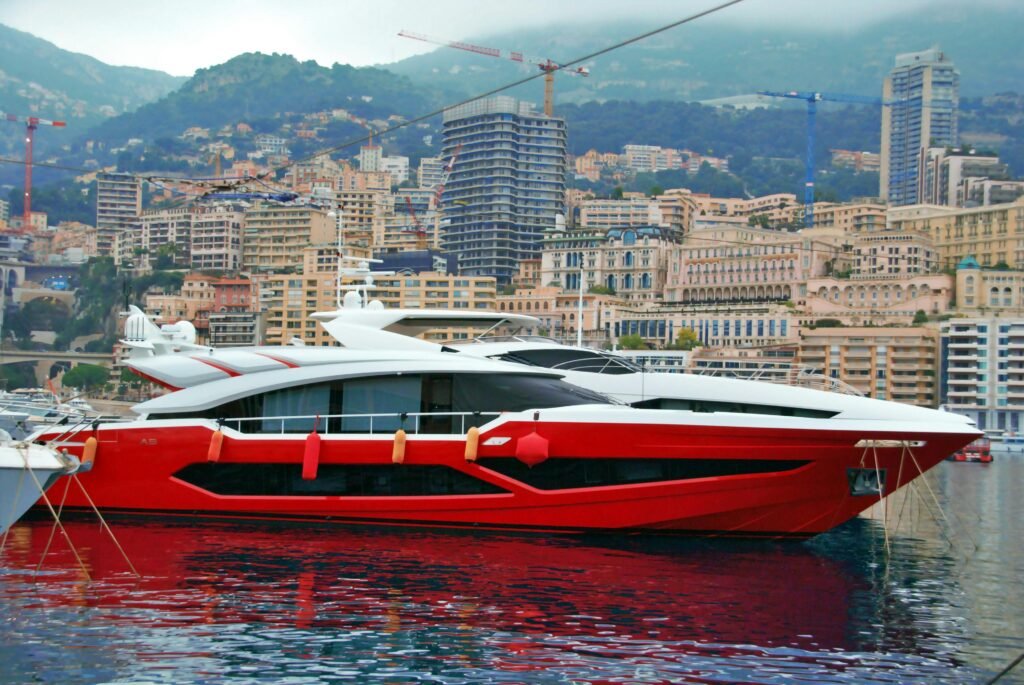
Understanding Yacht Engines: The Heart of the Vessel
The engine of a yacht serves as its heart, powering the vessel and enabling movement across the water. There are two primary types of engines found in yachts: inboard motors and outboard motors. Each type has its own advantages and disadvantages, making it crucial for yacht owners to understand the differences and applications of each.
Inboard engines are housed within the hull of the yacht, providing a streamlined look and maximizing usable deck space. These engines tend to have higher horsepower, which is essential for larger yachts or vessels designed for speed. Moreover, inboard engines often boast superior fuel efficiency compared to outboard motors, making them ideal for long-distance sailing. However, they do require more maintenance due to their integration within the yacht structure, as accessibility for repairs can be limited.
Conversely, outboard engines are mounted externally at the rear of the yacht. They are generally lighter and easier to replace, making them popular among smaller yachts and recreational boats. Outboards can provide adequate horsepower for lighter vessels but may consume more fuel proportionally, particularly if pushed to maximum capacity. A key benefit of outboard engines is their versatility; they can be removed for maintenance or storage, making them less of a burden when not in use.
When considering yacht performance, it’s important to recognize the relationship between engine size and horsepower. Larger engines typically offer more power, enabling faster speeds and enhanced maneuverability. However, increased size can also lead to elevated fuel consumption. Thus, balancing engine power with energy efficiency is pivotal in optimizing a yacht’s operational costs and overall performance.
Ultimately, understanding the differences between inboard and outboard engines, their technical specifications, and their respective maintenance needs can significantly impact the sailing experience, ensuring that yacht owners make informed decisions tailored to their specific requirements.
Exploring Types of Yachts and Their Services
Yachts can be categorized into several distinct types, each designed for specific purposes and experiences on the water. Understanding the various categories can help potential yacht enthusiasts make informed decisions regarding their preferences and requirements. The primary types of yachts include sailing yachts, motor yachts, catamarans, and luxury yachts.
Sailing yachts are propelled primarily by sails and are renowned for their elegance and traditional craftsmanship. These yachts typically offer a more immersive experience with nature, as they harness the wind to navigate across open waters. Services commonly associated with sailing yachts may include knowledgeable crew members who handle sailing logistics and provide local insights, gourmet catering options for onboard dining, and opportunities for engaging in water sports such as snorkeling and diving.
Motor yachts, on the other hand, are powered by engines, making them ideal for those looking for speed and luxury. These vessels can vary greatly in size and often come equipped with modern amenities, including comfortable cabins, spacious lounges, and advanced entertainment systems. Motor yachts typically offer a range of services, including professional crews for navigation and maintenance, catering services for fine dining experiences, and various entertainment options, such as water toys and jet skis.
Catamarans, characterized by their dual-hull design, provide exceptional stability and spaciousness. This type of yacht is particularly popular for family vacations and social gatherings due to its accommodating layout. Catamarans often feature comfortable lounges and ample deck space for sunbathing and entertainment. Crew services on catamarans may include chefs catering to specific dietary preferences and hosts to ensure an enjoyable experience for all guests.
Lastly, luxury yachts epitomize opulence and are often viewed as floating houses. These vessels boast state-of-the-art facilities, including extravagant entertaining areas, private pools, and even helipads. Luxury yacht charters typically include a full-time crew dedicated to handling all guest needs, ensuring an unparalleled level of service, while high-end catering options and activities like spa treatments and guided excursions enhance the overall experience. Each type of yacht presents unique features and services, catering to a wide array of preferences and lifestyles among maritime enthusiasts.
Frequently Asked Questions About Yachts
Yacht ownership is an exhilarating venture, yet it raises numerous queries among prospective buyers and renters. This section addresses frequently asked questions that cover various aspects of yacht operations, maintenance, and regulations.
What are the costs associated with owning a yacht? The financial obligations of yacht ownership extend beyond the purchase price to include maintenance costs, docking fees, insurance, and fuel expenses. Typically, maintenance costs can range from 10% to 20% of the yacht’s purchase price annually. Additionally, dock fees vary widely based on location and the yacht’s size, while insurance premiums largely depend on the yacht’s value, usage, and coverage options.
What types of insurance are necessary for yachts? Yacht insurance is crucial and generally encompasses liability coverage and protection for physical damage to the yacht. Some owners also opt for additional coverage, such as environmental damage liability and coverage for water sports equipment. Consulting with a marine insurance expert can provide tailored recommendations based on individual usage and needs.
What regulations should yacht owners be aware of? Regulations concerning yacht ownership vary by country, and compliance is essential to avoid potential fines and enforcement actions. Owners should familiarize themselves with local maritime laws, safety requirements, and environmental regulations. Additionally, ensuring that all safety gear is onboard and in good condition is a fundamental requirement.
How can safety be ensured while operating a yacht? Prioritizing safety is fundamental in yacht operations. Possessing the proper safety equipment, including life jackets, fire extinguishers, and distress signals, is indispensable. Furthermore, obtaining requisite certifications, such as sailing licenses, and participating in crew training can significantly enhance safety measures while on the water.
This compilation of frequently asked questions serves as a valuable quick reference guide for those considering yacht ownership or rentals. Having clarity on these topics can greatly enhance the experience of prospective yacht owners and renters alike.
Yacht Sizes: What You Need to Know
When embarking on the journey of selecting a yacht, understanding the varying sizes is vital, as it significantly influences factors such as stability, capacity, and maintenance needs. Yachts can typically be classified into several categories based on their dimensions, primarily length overall, beam, and draught.
Length overall refers to the total length of the yacht from the bow to the stern. Small day boats generally range from 20 to 30 feet, perfect for novice sailors or casual outings. These vessels are typically nimble and easy to handle, making them ideal for short excursions. Medium yachts, often 30 to 60 feet, introduce more comfort and space, allowing for overnight stays and accommodating more passengers. Meanwhile, large luxury yachts extend beyond 60 feet, featuring advanced amenities and vast living areas conducive to longer voyages across oceans.
The beam, or the yacht’s width at its widest point, significantly influences stability. A wider beam enhances the yacht’s balance in turbulent waters, while a narrower beam allows for quicker speeds but may compromise stability. Draught, the vertical distance between the waterline and the bottom of the keel, is also a crucial measurement as it determines how deep the yacht must be to float. A yacht with a deeper draught can offer more stability in rough conditions, while shallower draughts permit navigation in more shallow waters.
The size of the yacht correlates directly with its capacity for crew and guests, as well as ongoing maintenance requirements. Larger yachts often require a full-time crew for upkeep and operations, while smaller vessels can often be managed single-handedly. Understanding these size categories is essential for potential yacht owners, ensuring they select a vessel that aligns with their sailing ambitions and logistical considerations.
The Importance of Yacht Service Centers
The performance and safety of yachts are paramount for both leisure and commercial users. This necessity underscores the significance of yacht service centers, where expert technicians provide crucial maintenance and repairs. Regular servicing of yachts ensures that they operate at optimal efficiency, prolonging their lifespan and enhancing safety on the water.
Yacht service centers offer various services essential for yacht maintenance. One of the primary services includes engine repairs, which are vital for ensuring power and reliability while cruising. Other services encompass comprehensive inspections that diagnose potential issues before they escalate into costly repairs. Moreover, hull cleaning is integral in maintaining the yacht’s aesthetics and performance; a clean hull reduces drag and promotes fuel efficiency.
System upgrades are also a frequent service at these centers, providing opportunities for incorporating the latest technology in navigation, safety, and onboard comfort. Owners can benefit from advice on the best upgrades suited to their specific model, enhancing both the vessel’s functionality and value.
Globally, several yacht service centers have established reputations for excellence. Each region boasts highly regarded facilities known for their specialties. For instance, Marina Bay in Singapore is acclaimed for its comprehensive refit capabilities and cutting-edge equipment. Italy’s Rimini boasts a long-standing tradition of impeccable craftsmanship, mainly focusing on luxury yachts. In the United States, Lauderdale Marine Center is recognized for its expansive amenities and top-notch service staff capable of handling extensive refurbishments and maintenance.
Choosing a reliable service center is crucial for yacht owners who wish to maintain their vessels in peak condition. Such centers not only reinforce the performance and safety of yachts but also elevate the overall boating experience.
Understanding the Costs of Owning a Yacht
Owning a yacht is often perceived as a luxurious lifestyle choice, yet it is essential to understand the financial commitments that accompany this venture. The first significant expense to consider is the purchasing cost, which primarily depends on the size and engine type of the yacht. Smaller yachts might range from $10,000 to $100,000, while larger, more complex vessels can easily exceed several million dollars. Additionally, factors such as brand, condition, and onboard amenities can greatly influence the price.
Once the yacht has been acquired, ongoing maintenance is paramount. This encompasses a wide array of expenditures including engine servicing, hull cleaning, and battery replacements. Generally, it is advised to budget 10% of the yacht’s value annually for maintenance, ensuring that it remains in optimal condition. Seasonal maintenance checks are also advisable to prepare the vessel for use, which can incur additional costs.
Another critical financial aspect to be aware of is docking fees, which can vary significantly based on location and time of year. Marinas may charge anywhere from $10 to $100 per foot of the yacht’s length. Insurance is also a key consideration. It protects the yacht owner against damages, theft, or liability claims and can range in cost based on the yacht’s size and usage, typically between 1% and 2% of the yacht’s value annually.
Fuel expenses should not be overlooked, as they can become a substantial ongoing cost depending on the frequency and type of use. Fuel efficiency varies with yacht engines; larger engines generally consume more fuel, impacting overall operating costs. Additionally, owners may encounter unexpected costs, including upgrades, equipment replacements, and crew salaries if they choose to employ staff.
Steps to Purchasing a Yacht: A Buyer’s Guide
The journey of purchasing a yacht begins with defining your requirements. A crucial first step is to determine the type and size of the yacht that fits your needs. Consider factors such as how many passengers you intend to accommodate, the activities you wish to undertake, and your preferred cruising grounds. These details will guide your search and decision-making process.
Next, establishing a comprehensive budget is essential. This encompasses not only the initial purchase price but also ongoing costs such as maintenance, insurance, and docking fees. It is advisable to include a contingency fund for unexpected expenses that may arise on your yacht ownership journey.
Once your budget is set, the next step involves searching for available yachts that meet your criteria. Utilizing online platforms, yacht brokers, and attending boat shows can provide valuable insights and options. Engaging a reputable broker can often facilitate this process, as they possess extensive knowledge of the market and can help navigate various listings.
Following the identification of potential yachts, conducting thorough inspections becomes imperative. Inspections typically include a review of the yacht’s condition, engine performance, and any necessary survey requirements. It is crucial to hire a marine surveyor who can assess the yacht’s value and identify necessary repairs, ensuring a well-informed purchase decision.
Finally, finalizing the purchase involves negotiations and understanding the contractual obligations. Make sure to review the contract carefully, paying close attention to any contingencies, warranties, and delivery terms. Open communication with brokers, legal advisors, and sellers will facilitate a smoother transaction. This comprehensive approach will ensure a successful yacht acquisition experience, allowing you to make an informed decision on your maritime investment.
Renting a Yacht: What You Need to Know
Renting a yacht can be an exhilarating experience, but it requires careful consideration and planning. First and foremost, you should assess your needs and preferences when selecting a yacht. Factors such as the number of guests, intended activities, and duration of the rental are crucial in determining the suitable type of yacht. Whether you choose a sailing yacht for a serene experience or a motor yacht for speed and luxury, aligning your choice with your expectations is essential.
Understanding rental agreements is another critical aspect of yacht rentals. Most agreements outline the terms and conditions, including the rental period, deposit requirements, and cancellation policies. It is important to read the fine print and clarify any ambiguities with the rental company. Pay attention to liability clauses and insurance requirements. Being fully informed can prevent misunderstandings while enjoying your time on the water.
Costs associated with renting a yacht can vary widely based on yacht size, type, and the season. The base rental fee often does not include additional expenses such as fuel, dockage, crew tips, or food and beverage provisions. It is advisable to discuss all potential costs with the rental provider upfront. Additionally, consider whether you might want to include services such as professional crew members, catering, or water sports equipment during your charter; these can enhance your experience significantly.
To ensure a smooth rental experience, advance planning is key. Create a checklist of necessary items, confirm your itinerary with the yacht owner, and ensure that all arrangements are in place well before your departure date. Communicating openly with the rental company about your unique preferences and requirements will help in securing an optimized experience tailored to your needs.
Conclusion: Navigating the Yacht Experience
In navigating the yacht experience, it is essential to reflect on the various aspects explored in this guide, from understanding the intricacies of yacht engines to the factors influencing yacht rentals. The world of yachting offers a diverse range of options catering to various preferences, whether one is considering yacht ownership or opting for a rental experience. Each choice presents unique advantages, and understanding these can significantly enhance the sailing adventure.
Research is a cornerstone of the yacht experience. Potential yacht owners should take into account their specific needs, preferences, and budget while exploring different models and specifications. For those interested in rentals, examining different rental options, terms of use, and available amenities can lead to a more enjoyable trip. Each yacht differs in terms of features and capabilities, making it imperative to consider what best aligns with one’s aspirations for the journey ahead.
The importance of personal needs further emphasizes tailoring the yacht experience to individual expectations. factors like the intended use of the yacht, the size of the party, and preferred cruising locations can dramatically influence the decision-making process. Consequently, embarking on a yachting adventure requires careful consideration, thorough research, and aligned communication with yacht dealers or rental companies.
Investing the time to explore various options enriches the overall nautical experience, ushering in moments of relaxation, adventure, and connection to the sea. As you contemplate your journey, remember that each experience can be uniquely tailored to fulfill your expectations, be it through ownership or rental. The allure of yachting opens up a realm of opportunities, inviting you to explore the beautiful waters and create cherished memories along the way.